



TREATMENTS
The Guide to Smile Design: Where Art Meets Technology
Modern dentistry is no longer limited to simply replacing missing teeth or relieving pain. Today, “Smile Design” is recognized as an art form that directly influences a person’s self-confidence, social perception, and overall aesthetic appearance. The smile design processes implemented in Nişantaşı, Istanbul’s aesthetic hub, under the leadership of Dr. Çağrı Altuntaş, combine the precision of digital technologies with clinical expertise.
What Is Smile Design? What Does It Entail?
Smile design is the process of restoring the aesthetic appearance of teeth and gums—which may have been compromised for various reasons—to harmonize with the patient’s facial features, lip structure, skin tone, and even personality. This process involves not only whitening the teeth but also comprehensively restructuring their shape, position, and the level of the gums.
1. Digital Smile Design (DSD)
The most critical stage of smile design is planning. Thanks to Digital Smile Design (DSD) technology, the patient’s intraoral scans and high-resolution photographs are imported into specialized software. At this stage, the patient can view the final result on a digital screen even before treatment begins. This method eliminates surprises and enhances doctor-patient communication.
2. Porcelain Veneers: The Mark of Perfection
Commonly known as “porcelain veneers,” these thin porcelain shells are the gold standard of smile design. These thin ceramics, applied by removing very little tooth structure or, in some cases, none at all (No-prep), provide the most natural result thanks to their light-transmitting properties that mimic the natural tooth.
Advantages: They do not discolor, are resistant to wear, and are minimally invasive.
3. Zirconia Crowns and Aesthetic Bridges
Unlike metal-supported porcelain, zirconia-based crowns provide excellent harmony with the gums. Thanks to their lack of discoloration at the gum line and high durability, they are safely preferred for both front and back teeth. In particular, their light reflection is nearly identical to that of natural tooth enamel.
4. Gum Aesthetics (Pink Aesthetics – Gingivectomy)
The beauty of a smile doesn’t come solely from white teeth; the appearance of the gums (pink aesthetics) is also critical. For patients with a “gummy smile” (where too much gum is visible when smiling), the gums are symmetrically contoured using laser or surgical methods. This procedure makes the teeth appear more balanced and aesthetically pleasing.
5. Teeth Whitening (Bleaching) Systems
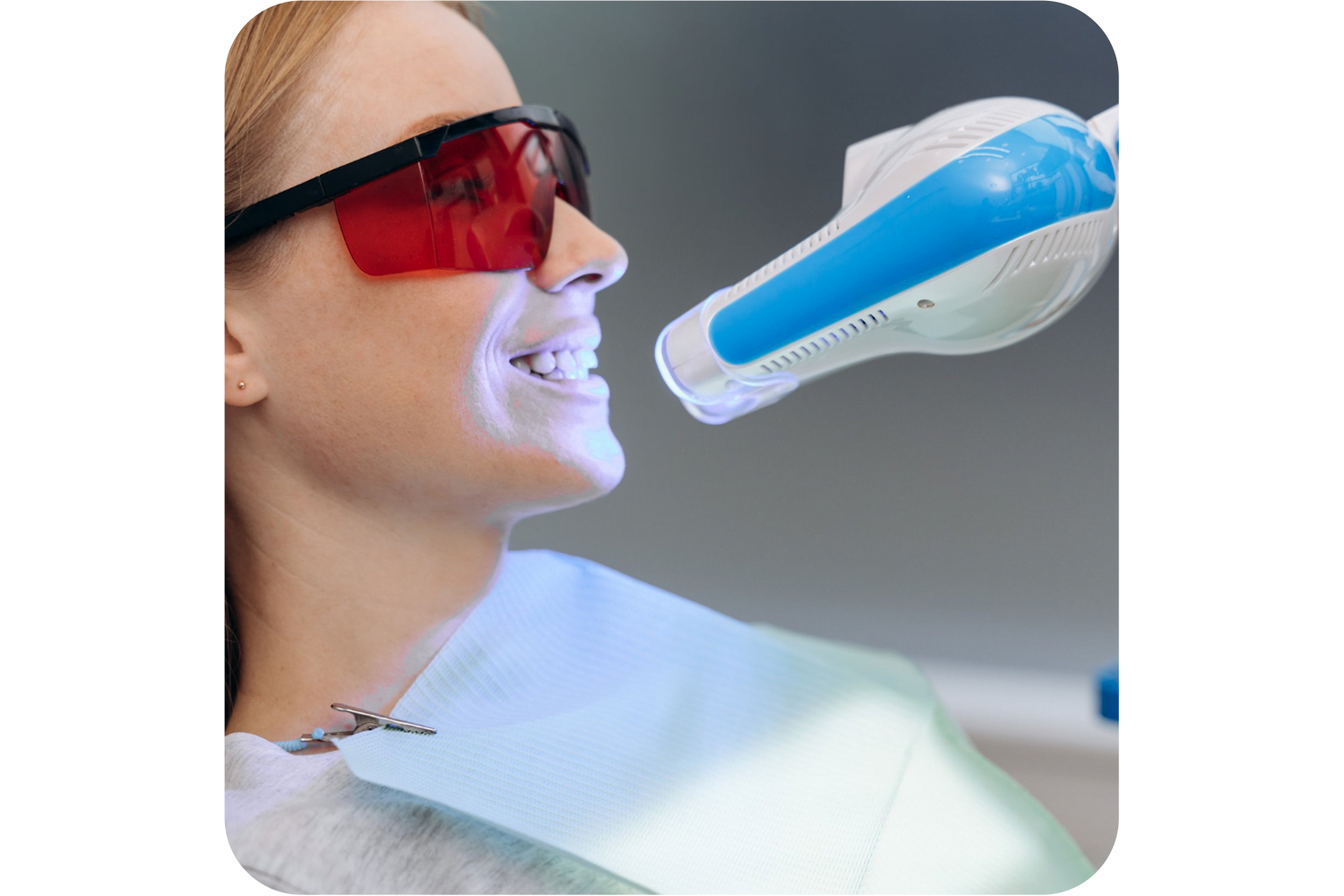
This is the step in smile design that delivers the fastest results. Stains within the tooth’s internal structure are removed using in-office (clinic-based, laser-assisted) or at-home methods. Professional whitening lightens the teeth by several shades without damaging the enamel, unlike over-the-counter products.
How Does the Smile Design Process Work?
Smile design is a journey, and at our clinic in Nişantaşı, this process is managed through the following steps:
- Consultation and Digital Documentation: We listen to the patient’s expectations and take photos and videos.
- Mock-Up Application: The designed smile is tested in the patient’s mouth using temporary materials. The patient experiences their new smile firsthand.
- Treatment Phase: Tooth preparations are made, and temporary teeth are placed.
- Final Fitting and Cementation: The prepared porcelain or zirconia restorations are precisely bonded to the teeth.
Who Is a Candidate for Smile Design?
Anyone with the following concerns is a candidate for smile design:
- Those with permanent tooth discoloration (fluorosis or tetracycline staining).
- Those with uneven tooth lengths.
- Those with chipped, cracked, or worn teeth.
- Those with asymmetrical gums.
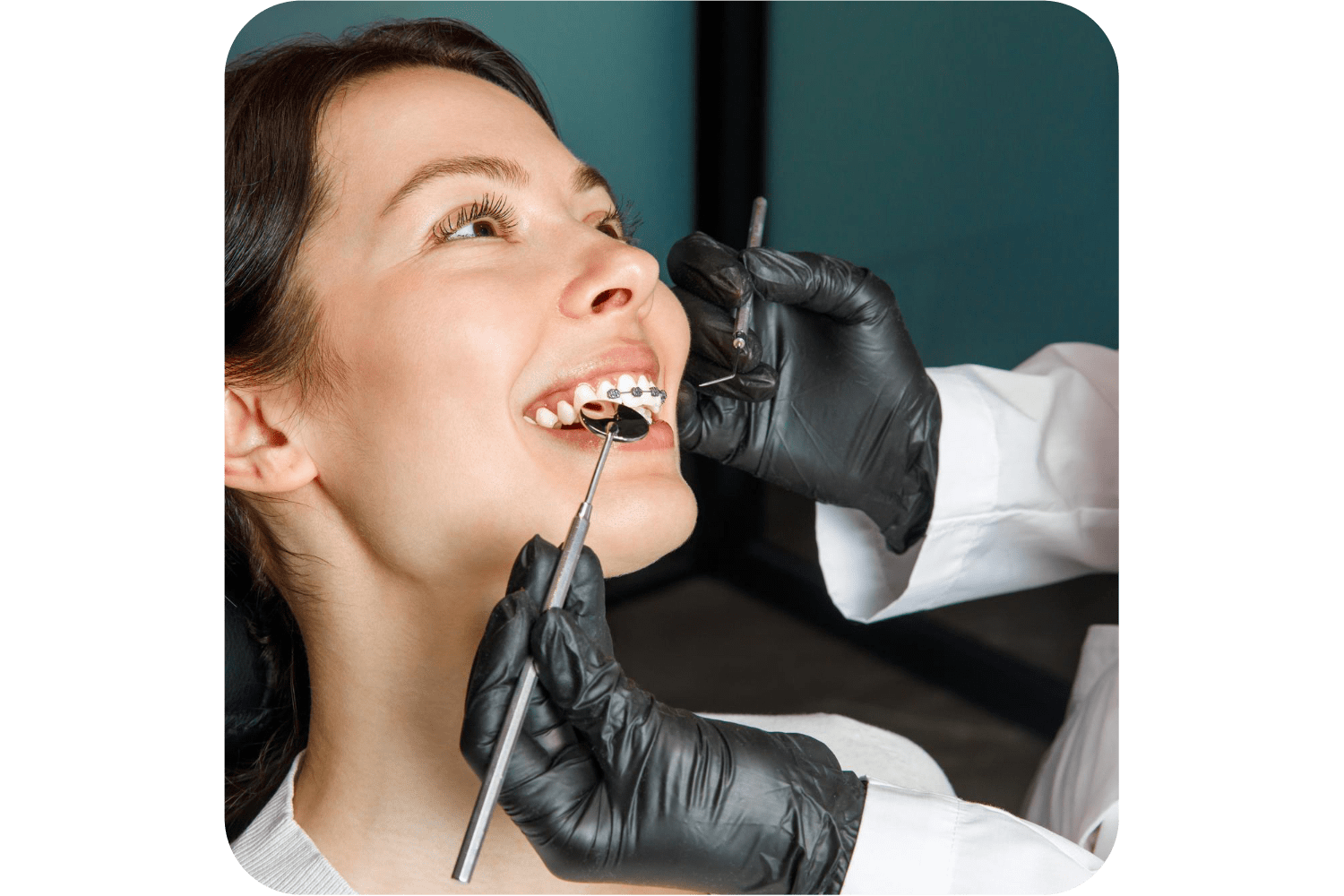
- Those with mild misalignment who do not wish to undergo orthodontic treatment (braces).
Aesthetics and Trust in Nişantaşı: The Dr. Çağrı Altuntaş Difference
Smile design is not merely a technical procedure; it also involves the dentist’s aesthetic vision. Dr. Çağrı Altuntaş combines the surgical expertise he gained through his training at Istanbul University (Çapa) with internationally certified aesthetic techniques. At our clinic, we offer a holistic approach that goes beyond dental health, taking into account the overall golden ratio of the face and incorporating medical aesthetics (Botox and fillers).
Frequently Asked Questions About Smile Design
Depending on the methods used, the procedure is typically completed in 2 to 3 sessions. After the digital design phase, the preparation of the porcelain veneers requires a laboratory process of approximately 7–10 days. Dr. Çağrı Altuntaş plans comfortable temporary teeth to allow patients to continue their social lives during this process.
Designs made with high-quality materials (zirconia or E-max porcelain) and the proper technique can last 10–15 years—or even longer—without any issues when combined with good oral hygiene. Regular dental checkups are the most important factor in extending the lifespan of these restorations.
No, since the procedures are performed under local anesthesia, the patient does not feel any pain. Sensitivity is minimized because temporary teeth are used between sessions. At our Nişantaşı clinic, patient comfort is our top priority.
Unlike natural tooth enamel, the porcelain and zirconia materials used have a non-porous structure. Therefore, they do not discolor due to external factors such as coffee, tea, or smoking. However, good oral hygiene is essential to maintain the health of the surrounding tissues and gums.
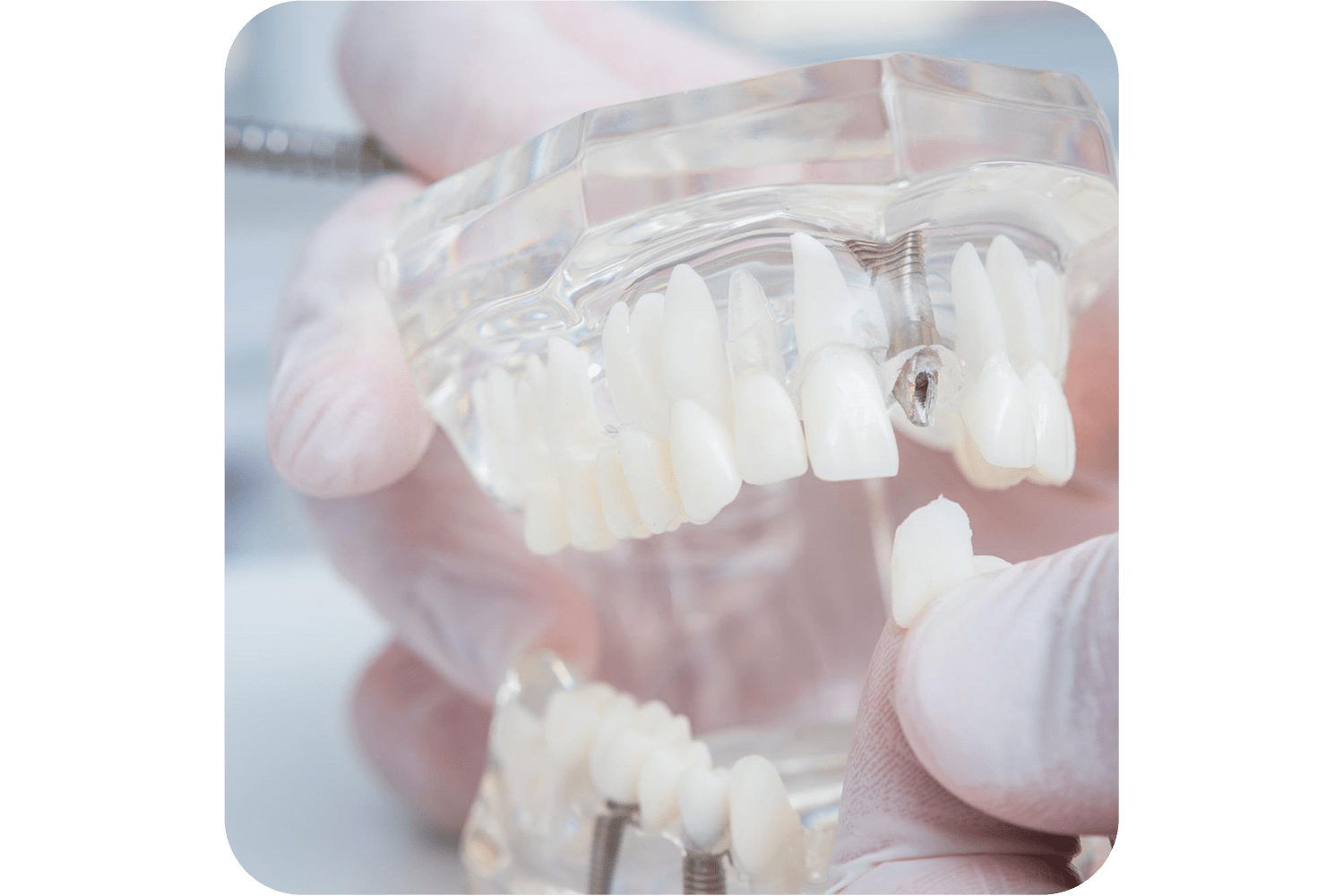
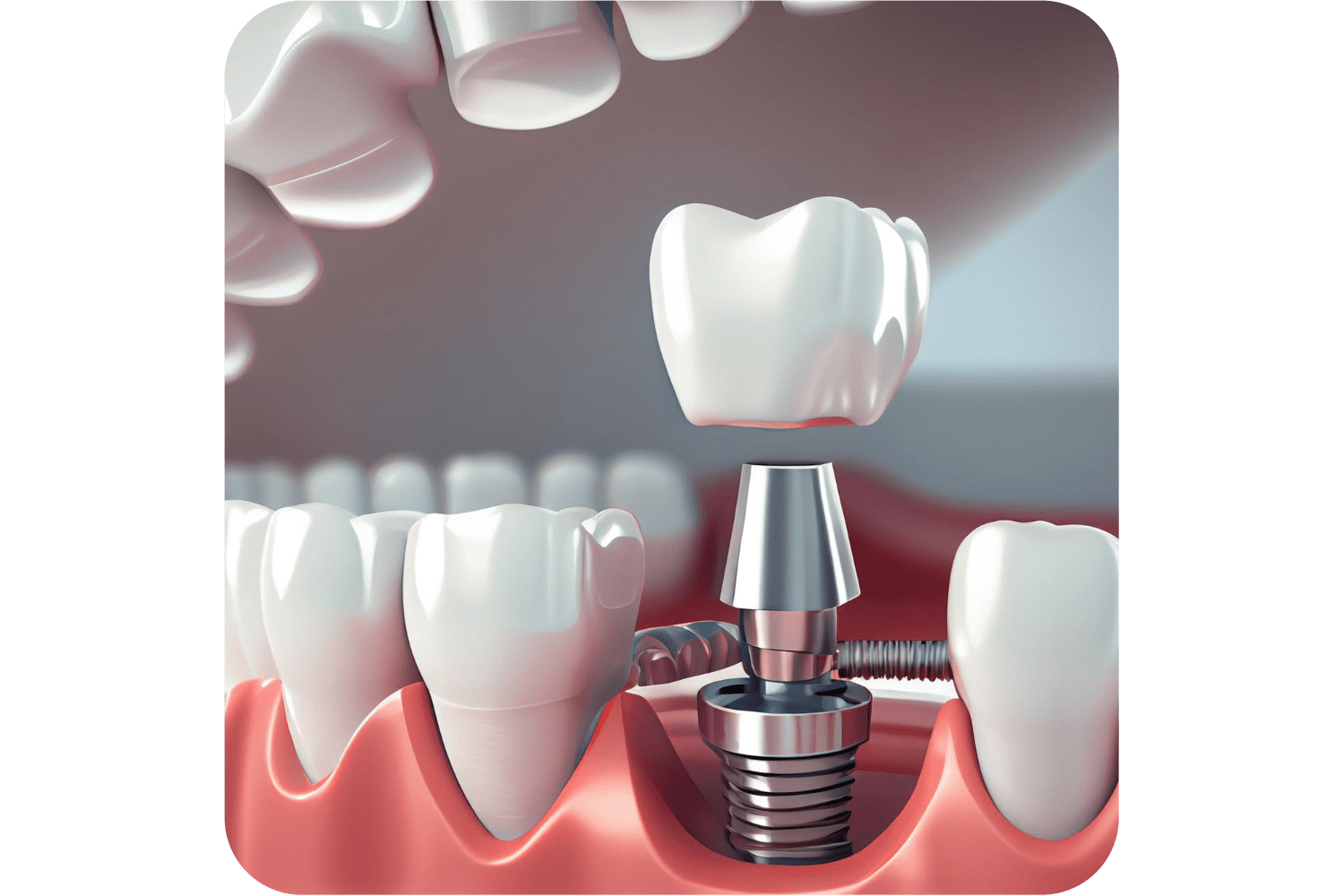
Absolutely. In cases of missing teeth, implant treatment or zirconia bridges are integrated into smile design. Dr. Çağrı Altuntaş offers comprehensive solutions that combine implant surgery with aesthetic restorations to ensure both functional and aesthetic results.
How to Plan a Smile Design?

We start with a detailed examination to understand your smile needs.

We create a plan that includes customized treatment options and help you achieve your smile goals.