



How much do full mouth aesthetic restorations typically cost? – 2026
March 19, 2026
Smile aesthetics has become one of the most powerful complements to personal image in the modern world. Teeth whitening is the fastest and most effective way to achieve this transformation. However, it is impossible to give a single answer to the question “How much does teeth whitening cost?” In this article, we take an in-depth look at the cost structure of professional teeth whitening services and the critical factors that determine the amount you will pay.
What is Professional Teeth Whitening?
Teeth whitening is the process of removing stains that penetrate the pores in the enamel, the outermost layer of the tooth, using an oxygenation method (usually with carbamide peroxide or hydrogen peroxide gels). Unlike whitening toothpastes sold in stores, clinical applications target the inner color of the tooth (dentin) and offer much more lasting, visible results.
Key Variables That Determine Price
When you receive a quote from your dentist, there are several main cost items behind this figure:
1. Application Method (Office vs. Home Type)
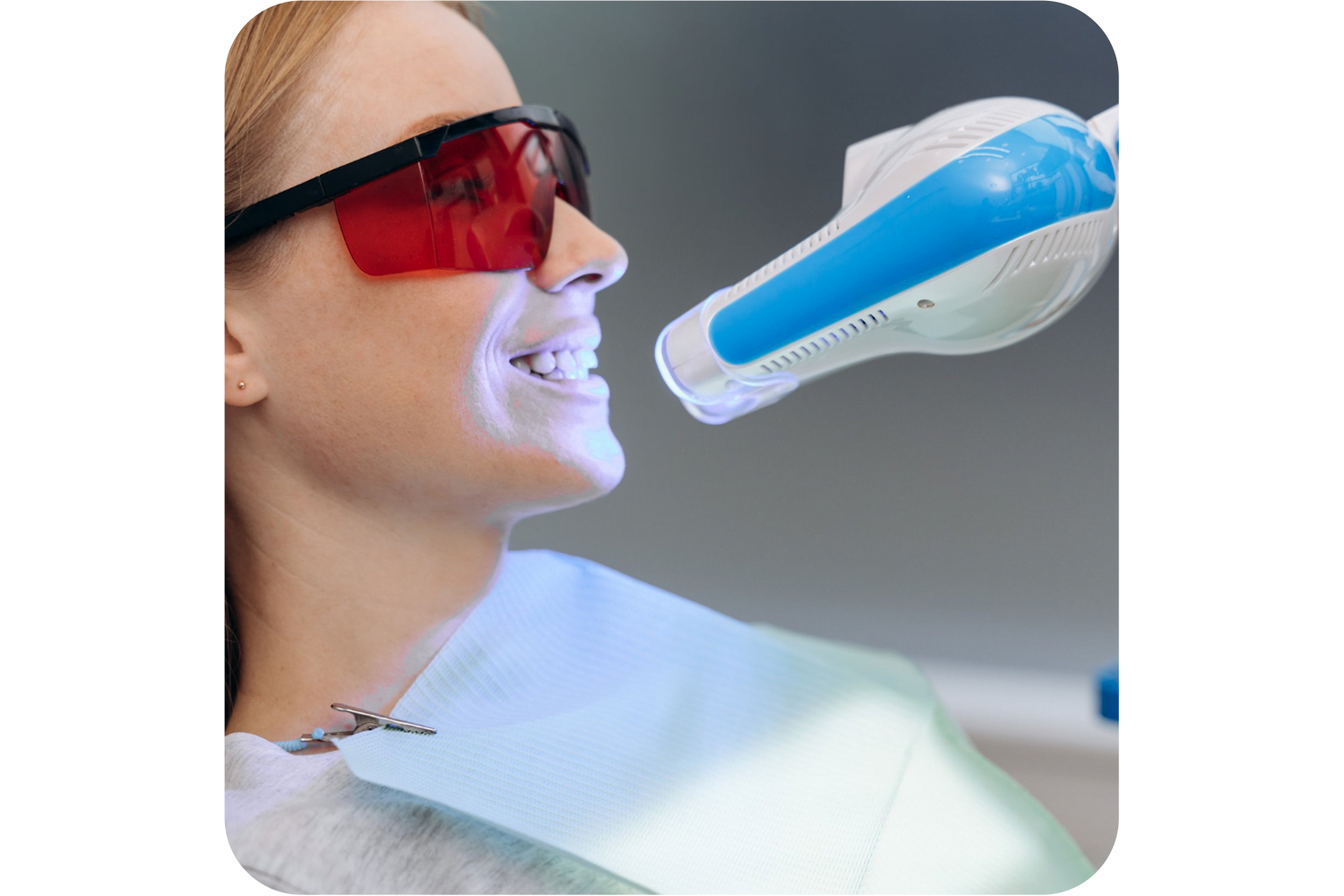
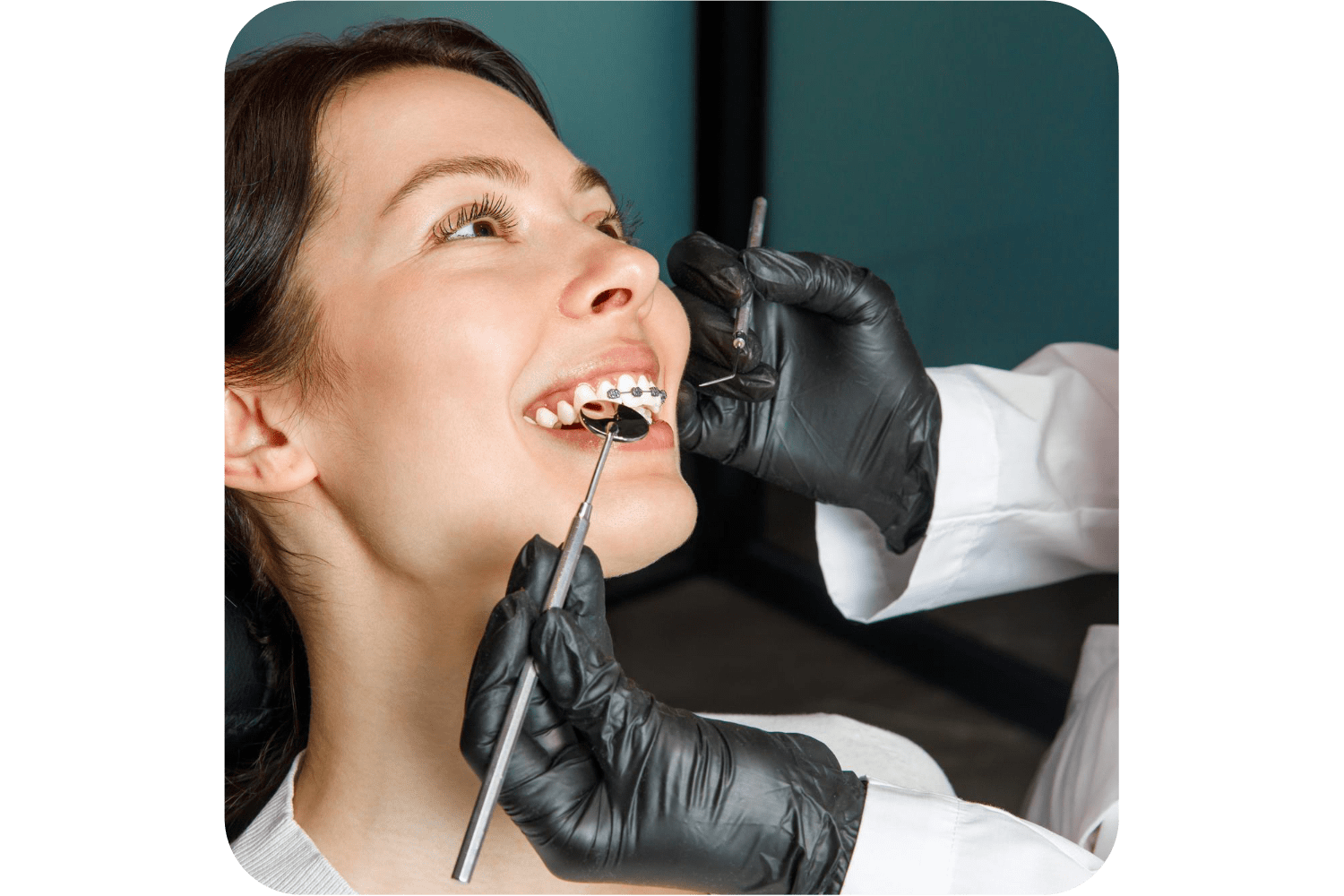
Office Bleaching: This method is completed in approximately 45-60 minutes in a clinical setting under the supervision of a dentist. Due to the use of a light source (laser, LED) and high-concentration gels, it is generally the most expensive but fastest option.
Home Bleaching: This is a method you apply at home using trays customized for you by your dentist and lower-concentration gels. The cost of producing custom trays (laboratory cost) is reflected in the price.
Combine Treatment:For the most lasting and whitest results, both methods should be used together. Naturally, this is the most expensive option.
2. Technology and Brand Used
Gels from globally recognized brands (such as Zoom and Opalescence) and the specialized light devices that activate these gels directly impact the cost structure of clinics. Advanced laser systems are priced higher because they minimize sensitivity while maximizing whitening effects.
3. Number of Teeth and Coverage
In some cases, treatment is applied only to the front teeth along the smile line, while in others, the entire upper and lower jaws are treated. Additionally, “devital whitening” performed on a single tooth that has undergone root canal treatment and is discolored internally requires a different procedure and pricing than general whitening.
4. Oral Health Preparation Process
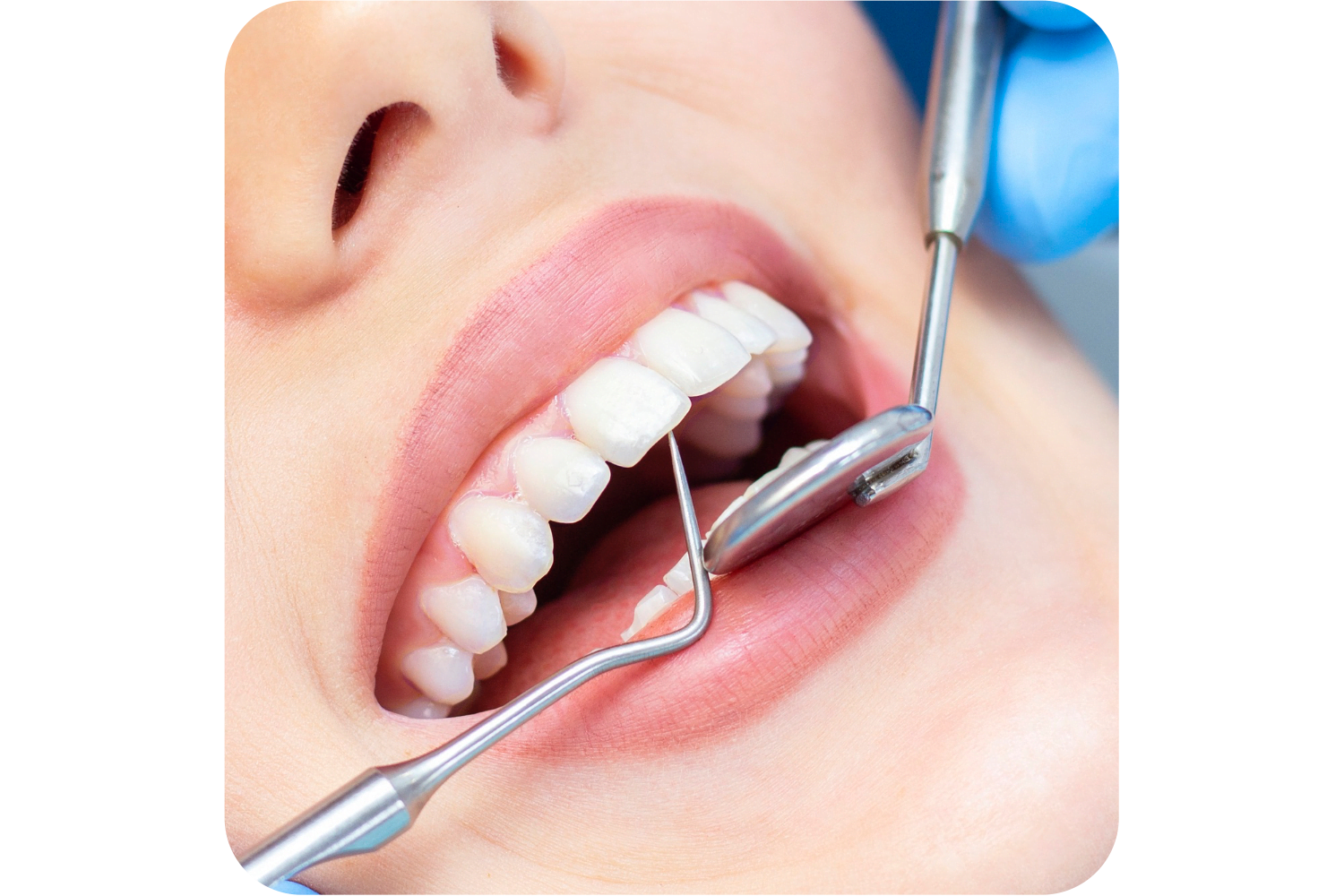
The whitening process requires a clean surface. If you have tartar (dental calculus) on your teeth or your gum health is not ideal, scaling (dental calculus removal) and polishing are required before whitening. While most clinics include this in the package, serious gum problems may incur additional treatment costs.
General Price Trends in Turkey
Turkey offers world-class quality in oral and dental health services at competitive prices. As of 2026, pricing is generally based on the minimum guideline rates published by the Turkish Dental Association (TDB). However, each clinic;
The import cost of the material used,
The physician’s level of expertise,
It should be noted that the clinic sets its own pricing policy based on factors such as the city and location where it is located (differences in metropolitan cities such as Istanbul, Ankara, and Izmir).
Is It Worth Investing? (Cost vs. Benefit)
A professional whitening session is not just an aesthetic procedure, but also a safe medical procedure.
Safety: Your gums are protected with special barriers, and the risk of sensitivity is kept under control.
Speed: Up to 2 to 8 tons of opening can be achieved in a single session.
Durability: With proper care and following your doctor’s advice, the effects can last for years.
Result
In 2026, teeth whitening prices will vary widely depending on the comfort and technology of the chosen method. For the most accurate budgeting, a preliminary examination to determine the suitability of your teeth is the healthiest step.
Frequently Asked Questions About Teeth Whitening
Professional teeth whitening performed under the supervision of a dentist does not damage tooth enamel. Dr. Çağrı Altuntaş determines the most suitable gels and light intensity for the patient's enamel structure, aiming for maximum whiteness while preserving the natural tooth structure. Unlike abrasive DIY methods, professional whitening is safe and effective.
The longevity of teeth whitening results typically ranges from 6 months to 2 years, depending on the patient's lifestyle and dietary habits. Excessive consumption of tea, coffee, and tobacco can shorten this period. At our clinic, we provide personalized maintenance protocols to ensure your smile stays bright for as long as possible.
Office-type whitening is a high-concentration, fast-acting procedure performed in our clinic in about an hour. Home-type whitening involves custom-made trays and gels used over a longer period. Dr. Çağrı Altuntaş often recommends a combination of both (Combined Whitening) for the most durable and radiant results.
It is normal and temporary to experience mild hot-cold sensitivity within the first 24-48 hours after the procedure. In our Nişantaşı clinic, we use special fluoride applications and desensitizing gels post-treatment to minimize any discomfort.
No, whitening gels only act on natural tooth structures; they do not change the color of porcelain veneers, zirconium crowns, or fillings. If you have such restorations, Dr. Çağrı Altuntaş will plan a personalized aesthetic roadmap to ensure a harmonious and bright smile.
Generally, individuals aged 18 and over, once dental development is complete, are suitable candidates. Any adult with healthy dental structures can safely undergo whitening after a detailed analysis at our clinic.
Unless medically necessary, it is recommended to postpone aesthetic procedures like teeth whitening during pregnancy and breastfeeding. We prioritize the health of the mother and baby and suggest scheduling the treatment after this period.
A "white diet" must be followed for the first 48 hours. Avoid staining foods and drinks such as tea, coffee, red wine, and tobacco products. Dr. Çağrı Altuntaş provides all patients with a comprehensive care guide to protect their new smile.
Results vary based on initial tooth color and enamel structure, but a single session typically results in an opening of 2 to 8 shades. We use digital shade guides to analyze and document the progress before and after the procedure.
Yes, a special technique called "internal bleaching" is applied to teeth that have darkened after root canal treatment. By placing the whitening gel inside the tooth, we can match its color with the surrounding natural teeth.