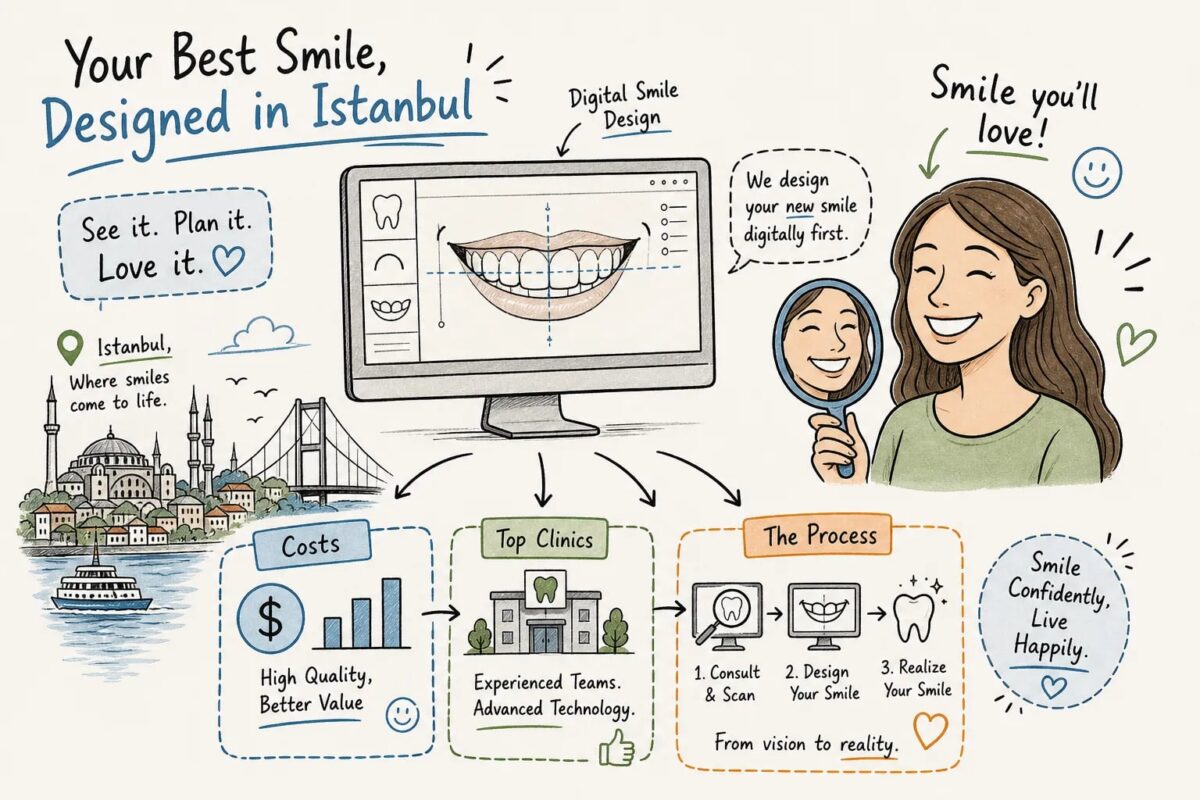
Cosmetic dentistry changed the moment the design process moved from the dentist’s head to a screen. Digital smile design, or DSD, lets a dentist scan your teeth, map your facial proportions, and build a proposed smile in software before a single tooth is touched. You see the result. You approve it. Then treatment begins. That shift from guesswork to preview is exactly why patients are flying to Istanbul for this work. Digital smile design Istanbul has grown into one of the most active dental tourism markets in the world, with the city drawing patients from the US, UK, and Europe specifically for this technology.
Istanbul has the technology, the trained specialists, and a cost structure that makes the math genuinely difficult to ignore. Clinics here run intraoral scanners from brands like TRIOS, Medit, and Primescan, use design platforms including DSD software and exocad, and work with the same E-max and zirconia ceramics found in top US practices. For patients from the United States, the comparison is stark: a 10-veneer case that costs $20,000 to $25,000 at home often runs roughly €3,500 to €5,500 at a premium Istanbul clinic using comparable ceramic materials and digital workflows. Add flights and a week in a good hotel, and the total trip cost still lands well below what the same work would cost stateside.
This guide covers the full picture: how the DSD process actually works, what to realistically budget in 2026, how material choices affect your outcome, and what to ask a clinic before you commit to anything. If you want to see what this looks like in practice, Dt. Çağrı Altuntaş Dental Clinic in Nişantaşı offers a free smile analysis and same-day consultations. The framework here applies wherever you choose to go.
What digital smile design actually is (and how it differs from a standard consultation)
Most people confuse DSD with simply “planning veneers.” The distinction matters. Digital smile design is a complete digital-first workflow. The dentist captures your facial proportions, tooth anatomy, and the dynamics of your smile, then designs the result in specialized software before any treatment begins. You see the proposed outcome on screen before anything is irreversible. Traditional cosmetic consultations work differently: you describe what you want, the dentist interprets it, and you see the outcome only after the work is done.
That difference eliminates most of the uncertainty that has historically made cosmetic dentistry feel like a gamble. With DSD, the design phase is collaborative. You can request adjustments to tooth shape, length, or shade before a single appointment moves to treatment. The result is a dental outcome that reflects your actual preferences, not a dentist’s interpretation of them.
What the technology actually includes
DSD rests on three components working together. First, intraoral scanning replaces the physical impressions that patients have historically found uncomfortable; the scanner captures a precise 3D model of your teeth in minutes. Second, standardized digital photography and facial mapping record how your teeth relate to your lips, gum line, facial midline, and overall proportions. Third, smile design software overlays proposed tooth shapes directly onto your real facial photographs, so the design is always grounded in your actual anatomy rather than a generic template.
Platforms like DSD software, exocad, and 3Shape are commonly used in Istanbul clinics for design and lab workflow integration. Intraoral scanners from brands like TRIOS, Medit, and Primescan handle the capture side. What matters for patients is not which specific software a smile design clinic Istanbul uses, but whether that clinic owns the full digital workflow or outsources parts of it.
The digital mock-up: seeing your new smile before anything is drilled
The mock-up stage is what makes DSD compelling for most patients. After the digital design is built and reviewed on screen, a physical or digital mock-up is produced and placed temporarily in your mouth. You can look at it, talk with it in place, take photos, and evaluate it from every angle before any irreversible preparation happens. This is not a filter or a rendering. It is a clinically accurate preview built from your actual dental anatomy and the approved digital design.
Adjustments at this stage are common and expected, that is exactly the point. The mock-up exists to surface preferences before treatment, not after. Clinics that skip this step are cutting a corner that matters.
Why this matters more for cosmetic cases than restorative ones
For patients seeking veneers, a Hollywood smile, or a full digital smile makeover Istanbul visit, the ability to collaborate on the design is the difference between a result that fits your face and one that looks obviously “done.” Natural aesthetics require planning that accounts for your specific facial geometry, skin tone, lip shape, and the way your smile moves when you talk. DSD is the only workflow that makes that level of personalization systematic rather than dependent on a single dentist’s intuition.
How a DSD treatment works, step by step
Understanding the clinical phases helps you plan your Istanbul trip realistically. The process is sequential, and each phase builds on the one before it. Skipping or rushing any phase is where outcomes go wrong.
Phase 1: Records, scans, and the design session
The first appointment covers facial photographs, intraoral scans, and an in-depth design conversation. The dentist uses these records to analyze symmetry, midline alignment, smile arc, tooth proportions, and gingival levels before designing anything. Your goals and lifestyle are discussed here as well: whether you want something that reads as natural or bolder, whether you have functional concerns like bite issues or bruxism, and what your timeline looks like for the visit.
This is also where a skilled DSD dentist in Istanbul will tell you honestly what the process can and cannot achieve given your specific anatomy. A consultation that jumps straight to treatment recommendations without this analysis is a red flag.
Phase 2: The mock-up and provisional stage
After the digital design is reviewed and approved, a physical mock-up is placed so you can evaluate it in real conditions. If veneers or crowns are part of the plan, temporary restorations follow the same design logic, allowing you to test aesthetics, phonetics, and bite function before anything permanent is made. This phase is where patients most often request refinements. Many clinics include refinements during the provisional phase at no extra charge, confirm this policy with your provider before treatment begins.
Provisionals also protect your investment. They confirm the final design works in your mouth before the lab fabricates anything permanent. Skipping the provisional phase to save time or reduce appointments is a shortcut that routinely causes problems later.
Phase 3: Final restorations and the Istanbul timeline
The lab fabricates final restorations based on the approved digital plan. For a straightforward DSD veneer case in Istanbul, the typical trip runs 5 to 7 days. The day-by-day breakdown generally looks like this:
- Day 1: Consultation, intraoral scans, and digital design session
- Days 2, 3: Tooth preparation and placement of provisional restorations
- Days 4, 5: Lab fabrication of final restorations
- Day 6, 7: Try-in, bite adjustment, bonding, and polishing
More complex cases involving gum work, implants, or full-mouth restoration extend this timeline to 7 to 14 days. Build in at least one buffer day for any design adjustment review before final placement.
Digital smile design Istanbul: why the city became a global hub
Why Istanbul specifically? The answer runs deeper than price, though price is part of it.
The cost gap is real, and it is not about lower quality
In the US, a full digital smile design treatment covering 8 to 10 veneers can exceed $20,000 to $25,000. In Istanbul in 2026, comparable treatment runs approximately €2,500 to €4,500 at a solid mid-tier clinic, with premium practices and more complex cases typically quoting €3,500 to €5,500 all-in. The difference comes from lower overhead, lab costs, and cost of living in Turkey, not from shortcuts on materials or technology. Istanbul clinics use E-max, zirconia, and CAD/CAM lab workflows comparable to those used in top US practices.
The planning-only component of DSD is often absorbed into full-package pricing rather than billed separately. When clinics do quote it as a standalone service, it typically runs $100 to $500. Full smile design packages in Istanbul generally bundle digital planning, lab fees, and clinical steps together.
Istanbul’s cosmetic dentistry ecosystem
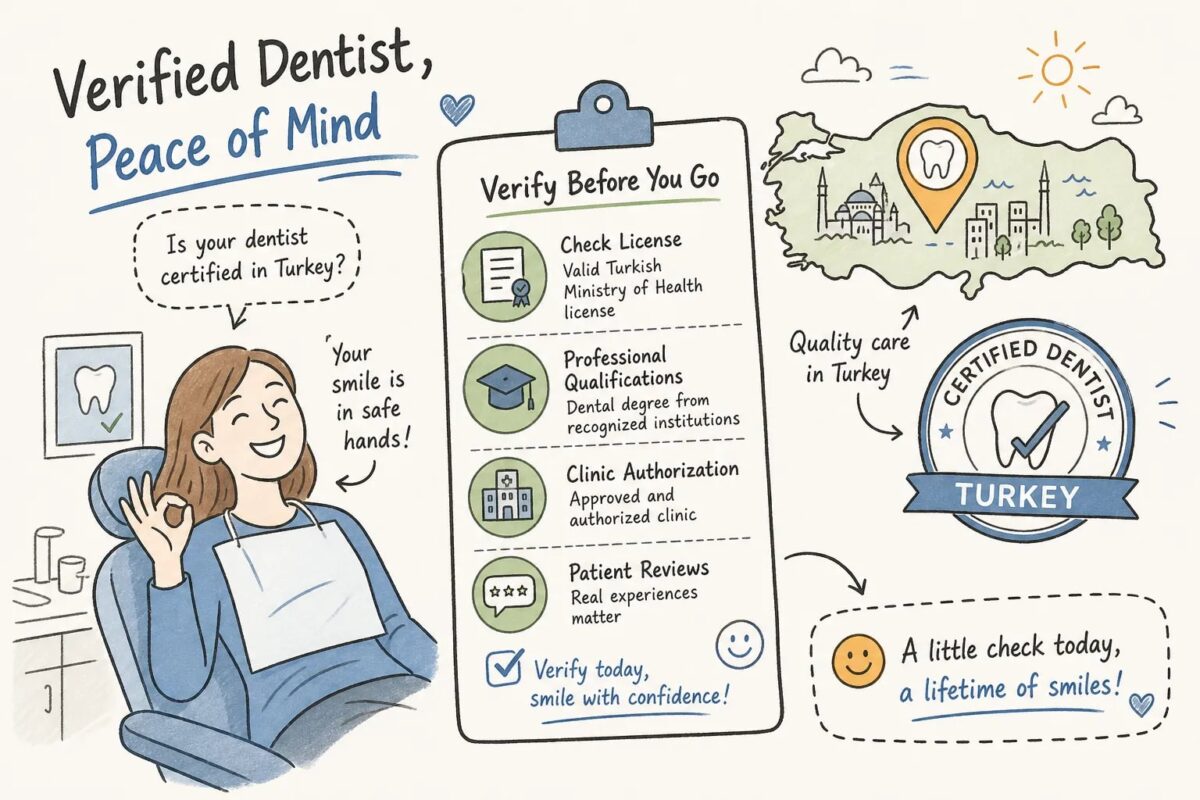
Istanbul supports a dense concentration of cosmetic-focused dental clinics that compete on technology, outcomes, and patient experience rather than price alone. Many cosmetic dentists in the city hold postgraduate training from European universities. Health Turkey certification, issued by the Turkish Ministry of Health, requires clinics to meet international patient safety standards, including sterilization protocols, multilingual staff, an international patient coordination unit, and documented emergency preparedness. For American patients unfamiliar with Turkish healthcare regulation, this certification is a meaningful first-screen check. It does not replace reviewing a dentist’s individual credentials, but it confirms the clinic is legally authorized to treat foreign patients and has been inspected against a defined standard.
Why Nişantaşı in particular is worth noting
Nişantaşı is an upscale Istanbul neighborhood known for housing many boutique cosmetic clinics that cater to international patients. Its premium positioning attracts practices built around personalized care rather than volume throughput. Dt. Çağrı Altuntaş Dental Clinic operates in this environment, combining DSD technology with a design philosophy focused on natural-looking outcomes and one-on-one patient oversight from scan to final restoration. The clinic offers a free smile analysis and same-day consultations, which means you can evaluate the approach, review your digital records, and ask every question you have before committing to a single treatment step.
Digital smile design Istanbul cost breakdown: what to budget in 2026
Real numbers matter here. Vague ranges and disclaimers do not help a patient plan a trip. Here is what the 2026 pricing data shows.
Realistic cost ranges by treatment scope
A full digital smile design package for 8 to 10 porcelain or E-max veneers at a premium Istanbul clinic falls in the range of approximately €3,500 to €5,500 all-in, with mid-tier clinics often quoting €2,500 to €4,500. Smaller cases covering 4 to 6 veneers run lower, typically €2,500 to €3,500. Full smile makeovers that include gum contouring, implants, or endodontic work extend the total further, often into the €6,000 to €10,000 range depending on scope. Per-tooth veneer pricing in Istanbul generally runs €200 to €400 for E-max porcelain and slightly lower for zirconia crowns. Check live exchange rates when converting these euro-based figures, as the dollar-to-euro rate affects your actual out-of-pocket cost.
What affects the final quote
Three variables drive the final number: the number of teeth being treated, the material selected, and the case complexity. A straightforward 8-veneer case using E-max on otherwise healthy teeth is a fundamentally different scope than a case requiring gum contouring, implants for missing teeth, and full-arch restoration. Intraoral scanning and digital design software are included in any clinic running a serious DSD workflow; these should not appear as add-on line items on a quote. If they do, ask why.
The comparison that matters to American patients
A 10-veneer DSD treatment priced at $20,000 to $25,000 in the US compares to roughly €3,500 to €5,500 at a premium Istanbul clinic. Round-trip flights from major US hubs to Istanbul typically run $600 to $1,200, check current fares before budgeting, as prices vary by season and departure city. A week in a solid hotel in Nişantaşı adds roughly $700 to $1,400 more, depending on the property and time of year. The total cost of the trip, treatment included, still comes in well under what the same work would cost at a US cosmetic dentist. The savings are not marginal.
How material choices affect your price and your outcome
Patients evaluating DSD in Istanbul frequently encounter material names (E-max, zirconia, composite) without a clear explanation of the trade-offs. The comparison is simpler than it looks.
Composite vs. ceramic: the durability and aesthetics trade-off
Composite veneers are faster and cheaper, often completable in a single visit, but they typically last 3 to 7 years and are more prone to staining, micro-chipping, and surface degradation over time. Porcelain and E-max ceramic veneers cost more and require a lab workflow with at least two visits, but they last 10 to 15 or more years and maintain color stability in a way composite cannot match. For patients going through the full DSD process, including scans, digital design, and mock-up, ceramic is the material that delivers on that investment long-term. Spending the time and expense of a DSD workflow on composite veneers is a mismatch.
When zirconia is the right call
Zirconia is the strongest ceramic option and the preferred choice when bite force, a history of bruxism, or long-term durability is the primary concern. The trade-off is optical: zirconia can appear slightly more opaque than E-max in ultra-thin anterior veneer applications, though newer high-translucency zirconia systems have narrowed that gap considerably. Clinical data consistently shows both E-max and high-quality zirconia perform well for anterior veneers in terms of color stability and bonding durability over multi-year follow-up periods. For patients with grinding habits or cases extending into the posterior smile zone, zirconia frequently makes more clinical sense than layered porcelain.
How lab workflow connects to material quality in Turkey
The lab fabrication process is where material quality gets realized. Clinics using CAD/CAM milling or pressing workflows with certified materials produce more consistent results than chairside composite work, regardless of the dentist’s individual skill. When comparing DSD clinics in Istanbul, ask specifically which lab they use and whether fabrication is in-house or outsourced. In-house labs allow faster turnaround and direct communication between the designing dentist and the ceramist. Outsourced labs are not inherently inferior, but you want confirmation that the lab has a track record with aesthetic cosmetic cases specifically.
How to evaluate a DSD clinic in Istanbul before you commit
This is where most patients benefit from a clearer framework. The decision often comes down to credentials, documented outcomes, and a gut check on whether the clinic treats you as a patient or a booking.
Credentials that mean something for cosmetic work
General dentistry licensing is the baseline, not the differentiator. For DSD cases, what you want is a dentist with documented postgraduate training in cosmetic dentistry or implantology from a recognized European or international institution, not just domestic continuing education credits. Health Turkey certification provides an additional layer of accountability, confirming the clinic operates under audited international patient-safety standards. When reviewing any clinic, ask for verifiable documentation of the lead dentist’s postgraduate credentials and confirm the clinic’s Health Turkey registration status directly.
How to read before/after cases critically
Not all before/after galleries are equal, and some are actively misleading. Look for cases involving patients with starting conditions similar to yours. Check that photography shows consistent lighting and camera angles between before and after shots; inconsistent photography is a sign the documentation is designed to impress rather than inform. Ask whether the clinic has cases with documented follow-up showing stability at two or more years post-treatment. A dentist who is proud of their long-term outcomes will have this documentation. One who deflects the question probably does not.
What boutique clinics offer that high-volume operations don’t
High-volume dental tourism operations process dozens of patients simultaneously and often rotate clinical work across multiple dentists. The dentist who does your initial scan may not be the same person who places your final veneers. At a boutique practice like Dt. Çağrı Altuntaş Dental Clinic, one dentist oversees the entire case from consultation through final restoration. The design philosophy centers on outcomes that look natural rather than uniformly bright, a level of personalization that a high-throughput workflow cannot replicate. The free smile analysis means you can evaluate the dentist’s approach and design sensibility before you commit to a treatment plan or pay a deposit.
Key questions to ask a DSD clinic before you book
An informed patient asks specific questions and evaluates the specificity of the answers. Vague or evasive responses to the following are worth taking seriously as a signal.
Questions about the technology and treatment plan
Ask whether the clinic owns its intraoral scanner or outsources scanning to a referral center. A clinic serious about digital smile design Istanbul patients would expect owns the technology and integrates it directly into the clinical workflow. Ask whether you will receive a digital mock-up before any tooth preparation begins, the answer should be an unambiguous yes. Ask whether the dentist who designs your smile will also perform all clinical phases, or whether the case passes between providers. Ask which software platform the clinic uses for smile planning, and whether you will be able to review and approve the digital design on screen before the mock-up is made. A confident, specific answer to each of these is what you are looking for.
Questions about materials, timeline, and aftercare
Ask what material the dentist recommends for your specific case and why, particularly whether they are recommending E-max, zirconia, or composite, and what the rationale is given your bite, habits, and aesthetic goals. Ask for the lab turnaround time and how many clinical visits your treatment plan requires. Ask what a realistic trip length looks like for your case. Then ask the question that separates organized international patient programs from clinics that figure it out as they go: what happens if you need a repair or adjustment after you return home? A clinic with a structured international patient program will have a clear answer, including remote consultation protocols and referral options for patients back in the US who need follow-up care.
The bottom line on digital smile design Istanbul
Getting a digital smile design done in Istanbul is not a gamble when you approach it with the right information. The technology is real, the cost advantage is real, and the quality of cosmetic dentistry available in the city is genuinely competitive with top practices in the US or Western Europe. What separates a good outcome from a bad one is not the destination. It is the clinic you choose and the questions you ask before you agree to anything.
A DSD workflow in the hands of a cosmetic-trained specialist who designs conservatively and values natural aesthetics produces a different result than the same software operated by a generalist focused on throughput. That distinction is worth spending time on before you book a flight. Verify credentials. Review documented long-term cases. Confirm the full workflow is in-house. Those three steps alone eliminate most of the risk.
The most concrete first step is a free smile analysis. At Dt. Çağrı Altuntaş Dental Clinic in Nişantaşı, that analysis costs nothing and gives you a realistic picture of what digital smile design Istanbul can achieve for your specific teeth and facial proportions, before any commitment is made. It is also the best way to evaluate the clinic’s approach: how thorough the records process is, how the dentist communicates the design, and whether the philosophy behind the work matches what you are actually looking for. Start there, ask the questions above, and make your decision with a full picture of what you are getting into.
Frequently Asked Questions
What is Digital Smile Design used for?
It combines photographs, scans and facial-dental measurements to plan proportions, communicate options and create a preview or mock-up where suitable.
Does digital smile design always mean veneers?
No. The plan may include whitening, bonding, aligners, gum treatment, veneers, crowns or no restorative treatment at all.
Can I approve the proposed smile before treatment?
Digital previews and mock-ups help patients review the design, although they remain planning tools rather than an exact biological guarantee.
How long does DSD treatment take in Istanbul?
Planning may be completed quickly, but the total schedule depends on the procedures selected and whether orthodontics, implants or healing are required.
What should I ask a DSD clinic before booking?
Ask who designs and performs the treatment, which scanner and laboratory workflow are used, how revisions are handled and what aftercare is available abroad.