
Zirconia crowns, which have revolutionized smile design and restorative dentistry, are the key to a healthy smile thanks to their light-transmitting properties—which mimic natural teeth—and their metal-free composition. Unlike traditional metal-supported porcelain crowns, zirconia provides a perfect fit with the gums, successfully addressing both aesthetic concerns in front teeth and the chewing forces in back teeth. At his modern clinic in Nişantaşı, Istanbul, Dr. Çağrı Altuntaş uses digital dentistry protocols to provide custom, natural-looking, and long-lasting zirconia restorations.
What Is a Zirconia Dental Crown?
Zirconium is a white, metal-free crystalline mineral that is as durable as metal. Also known as “ceramic steel” in dentistry, this material is used as a support structure beneath porcelain.
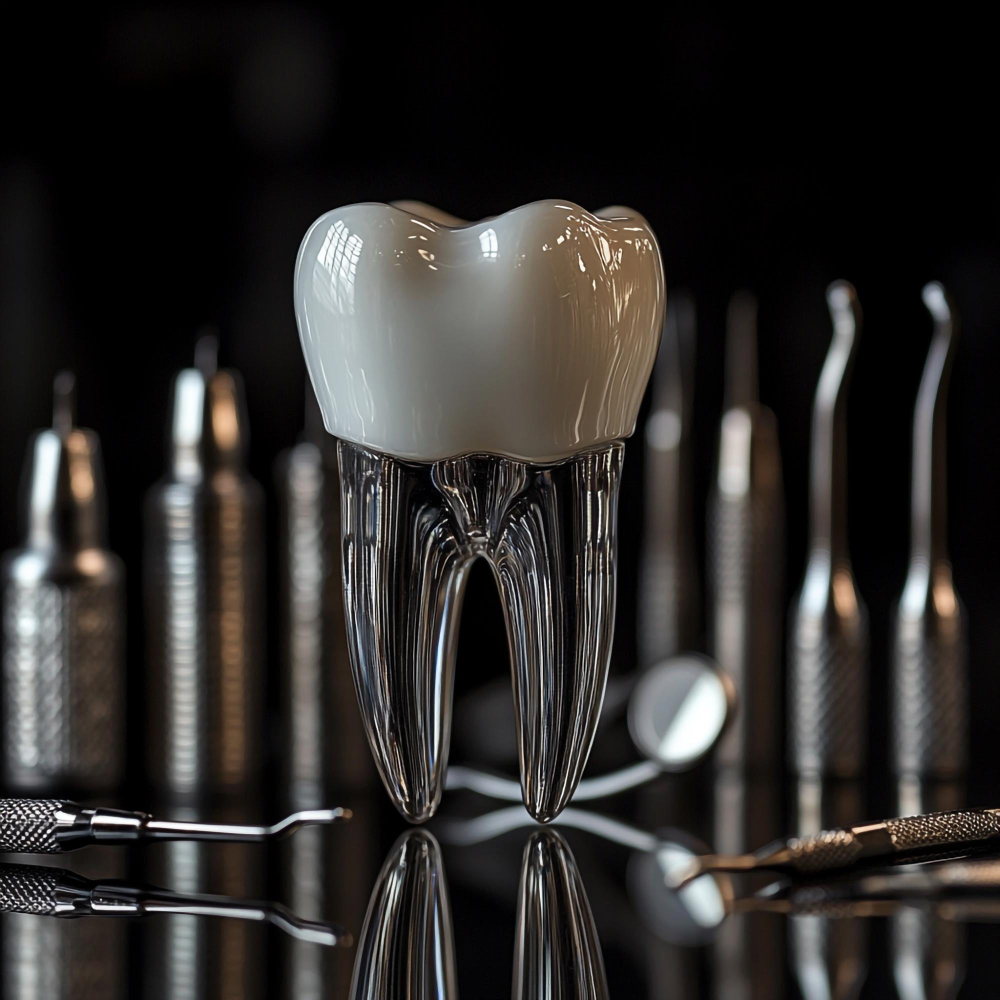
The most distinctive feature of zirconium crowns is their ability to transmit light just like natural tooth enamel. This prevents the tooth from appearing lifeless and dull, completely eliminating the perception of an “artificial tooth.”
What Are the Advantages of Zirconia Crowns?
Zirconia crowns offer many advantages over traditional methods:
Biocompatible: Zirconium is one of the most biocompatible materials available. It can be safely used in individuals with metal allergies and does not cause discoloration or gray lines on the gums.
High Aesthetics: Since it contains no metal framework, it has the translucency of natural teeth. It provides a flawless appearance, particularly in anterior restorations.
Maximum Durability: It has extremely high fracture resistance. As a result, it retains its shape for many years despite the high chewing forces in the posterior region.
Low Thermal Conductivity: Because its thermal conductivity is very similar to that of a natural tooth, it minimizes the risk of developing sensitivity to hot and cold.
Smooth Surface: Thanks to its smooth surface that prevents plaque buildup, it helps prevent bad breath and promotes gum health.
Who Is Eligible for Zirconia Veneers?
Based on the detailed intraoral scans and radiographic analyses we perform at our Nişantaşı clinic, zirconia crown treatment is recommended in the following cases:
For teeth with extensive tooth structure loss that cannot be saved with a filling,
To protect teeth that have weakened and are at risk of fracture following root canal treatment,
To replace old, metal-supported, and aesthetically unappealing crowns,
In cases of missing teeth (bridge treatments),
In severely discolored teeth where porcelain veneers are insufficient as part of smile design,
In implant-supported prosthetic applications.
The Zirconia Dental Treatment Process
Under the guidance of Dr. Çağrı Altuntaş, the zirconia treatment process is managed with digital precision:
Preparation and Digital Impression: The teeth are prepared to the appropriate shape for the crown. Instead of traditional impression trays, a 3D model of the teeth is created using intraoral scanners.
Temporary Crowns: To prevent tooth sensitivity and preserve aesthetics while the permanent zirconia crowns are being prepared, temporary crowns are placed during the same appointment.
Digital Design and Manufacturing (CAD/CAM): Crowns designed using computer-aided design are manufactured without human intervention on high-precision milling machines.
Try-in and Adjustment: The zirconia framework and porcelain veneer are tried in the mouth. After checking the fit, color, and occlusion, the patient’s approval is obtained.
Cementation: The zirconia crowns are cemented to the tooth using special dental adhesives, and the procedure is complete.
Zirconia Dental Crown Prices 2026
Zirconia crown prices are determined based on the quality of the zirconia block used (such as high-translucency zirconia), the scope of the case, and the number of crowns to be made. Current 2026 dental costs are presented to our patients in accordance with the standards of expertise and digital laboratories in the Nişantaşı area. The most accurate pricing information becomes clear following a clinical examination, during which individual needs are assessed.
Frequently Asked Questions About Zirconia Crowns
How long do zirconia crowns last?
When applied using the proper technique and with regular oral hygiene, zirconia crowns can last 15 to 20 years, or even longer.
Do zirconia teeth change color?
No. Since the zirconium surface is non-porous, it does not discolor due to factors such as coffee, tea, and cigarettes.
Does zirconium cause gum discoloration?
No. Zirconium is a biocompatible material and does not cause a gray or purple discoloration at the gum line, as is the case with metal-supported crowns.
Will I be without teeth during treatment?
No. Temporary teeth are used for aesthetic and functional purposes while permanent zirconia crowns are being prepared.
Zirconia or porcelain veneers?
If there is minimal tooth structure loss, porcelain veneers are the preferred option. For teeth with more extensive damage or in cases where a bridge is needed, a zirconia crown may be more appropriate.
Do zirconia teeth look natural?
Yes. Since zirconium has light-transmitting properties similar to those of natural tooth enamel, it provides a very natural appearance.
Is a zirconia bridge safe?
Yes. Zirconium is a highly durable material and can be safely used in bridgework for areas with missing teeth.
Will I feel any pain during the procedure?
No. Since zirconium treatments are performed under local anesthesia, you won’t feel any pain during the procedure.
What is the aftercare for zirconia crowns?
Regular brushing, flossing, and routine dental checkups ensure that zirconia crowns last a long time.
Can I replace my old dental crowns with zirconia ones?
Yes. Old metal-supported crowns can be replaced with zirconia crowns for aesthetic and biocompatibility reasons.
Published Scientific Articles on Zirconia Crowns