Istanbul smile design is a coordinated plan that may combine whitening, bonding, veneers, crowns, gum treatment, orthodontics or implants around a digital facial and dental analysis. The final cost and timeline depend on oral health, procedure mix, materials and tooth count, so itemised diagnosis-based quotations are more useful than fixed packages.
Istanbul has become one of the most searched cities in the world for smile makeovers, and for good reason. What most people haven’t found yet is a clear, honest breakdown of what actually happens, what it actually costs, and how to tell a serious clinic from a high-volume operation that treats every patient like a production run. Most of what’s published online is either a vague promise of a “Hollywood smile for a fraction of the price” or content buried inside clinic brochures written by the clinics themselves.
Istanbul gülüş tasarımı (Istanbul smile design) is a coordinated, multi-procedure treatment plan built around a digital planning framework, and this guide covers the full picture. You’ll find which treatments go into a smile design, how the process works from first scan to final placement, what realistic 2026 prices look like, and what to check before you commit to a clinic. Several real-world examples throughout come from the team at Dt. Çağrı Altuntaş Dental Clinic in Nişantaşı, Istanbul, which helped inform the clinical specifics below.
What istanbul gülüş tasarımı actually includes
Smile design is not a single procedure. It’s a coordinated treatment plan that combines multiple procedures into one coherent outcome. The planning methodology behind it is called Digital Smile Design, or DSD, and it’s what ties everything together. Without that planning layer, you’re not getting a smile design; you’re getting a collection of dental work.
From surface corrections to full rebuilds: knowing which category you fall into
Most cases fall into one of two categories. The first is purely cosmetic: your teeth are structurally healthy, but you want to address colour, shape, minor spacing, or gum-line balance. Veneers, whitening, and gum contouring typically handle these cases. The second category is restorative-cosmetic: there’s structural damage, missing teeth, or deeper issues that need to be addressed before or alongside the aesthetics. That’s where crowns, implants, and sometimes surgical gum work come in.
Knowing which category you’re in matters because it determines your timeline, your cost, and the complexity of the clinic you need. If you have healthy teeth and want a brighter, more even smile, your treatment plan is relatively straightforward. If you have missing teeth or heavily damaged structure, the plan is more involved and requires a clinician with surgical as well as cosmetic expertise.
The procedures that make up a typical smile makeover
A typical istanbul gülüş tasarımı plan draws on five core procedures, depending on what the case actually requires:
- Porcelain veneers, thin shells bonded to the front surface of teeth. The right tool when tooth structure is healthy but appearance needs improvement: colour, shape, minor chips, or small gaps.
- Zirconia crowns, full-coverage restorations used when a tooth is weakened, heavily filled, or needs structural rebuilding, not just surface correction.
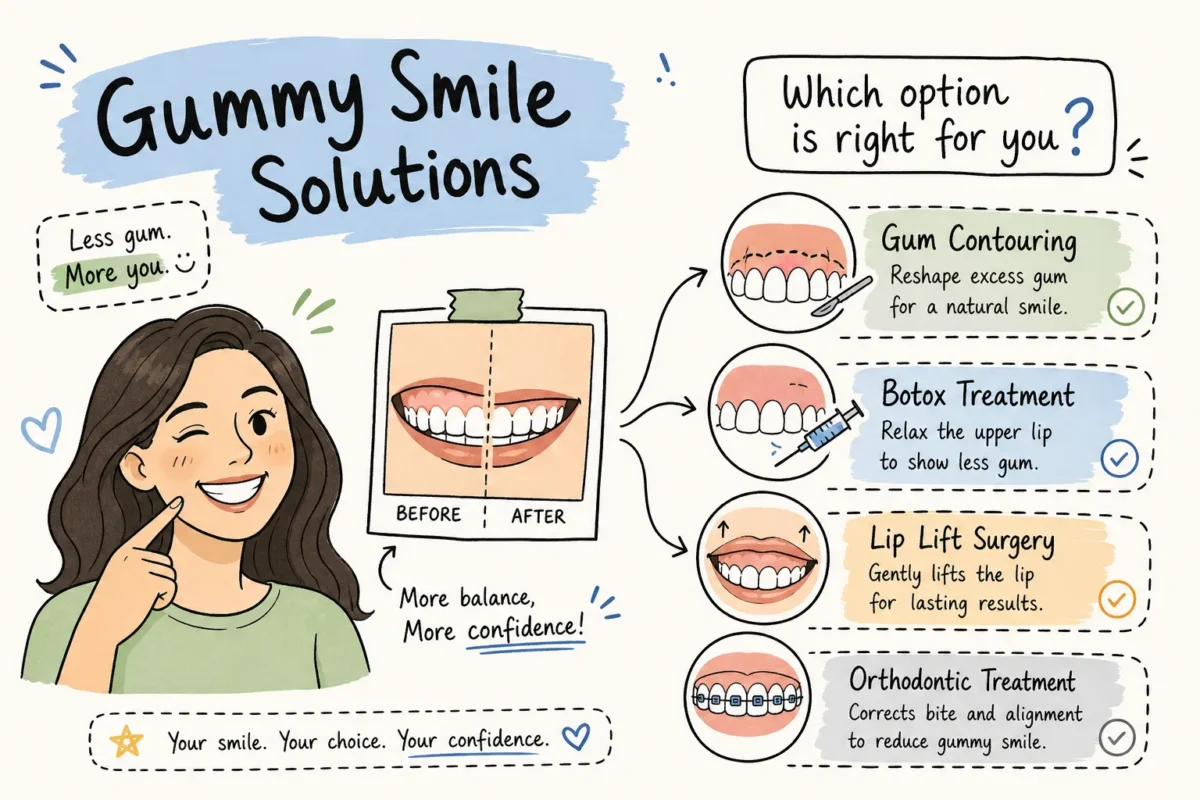
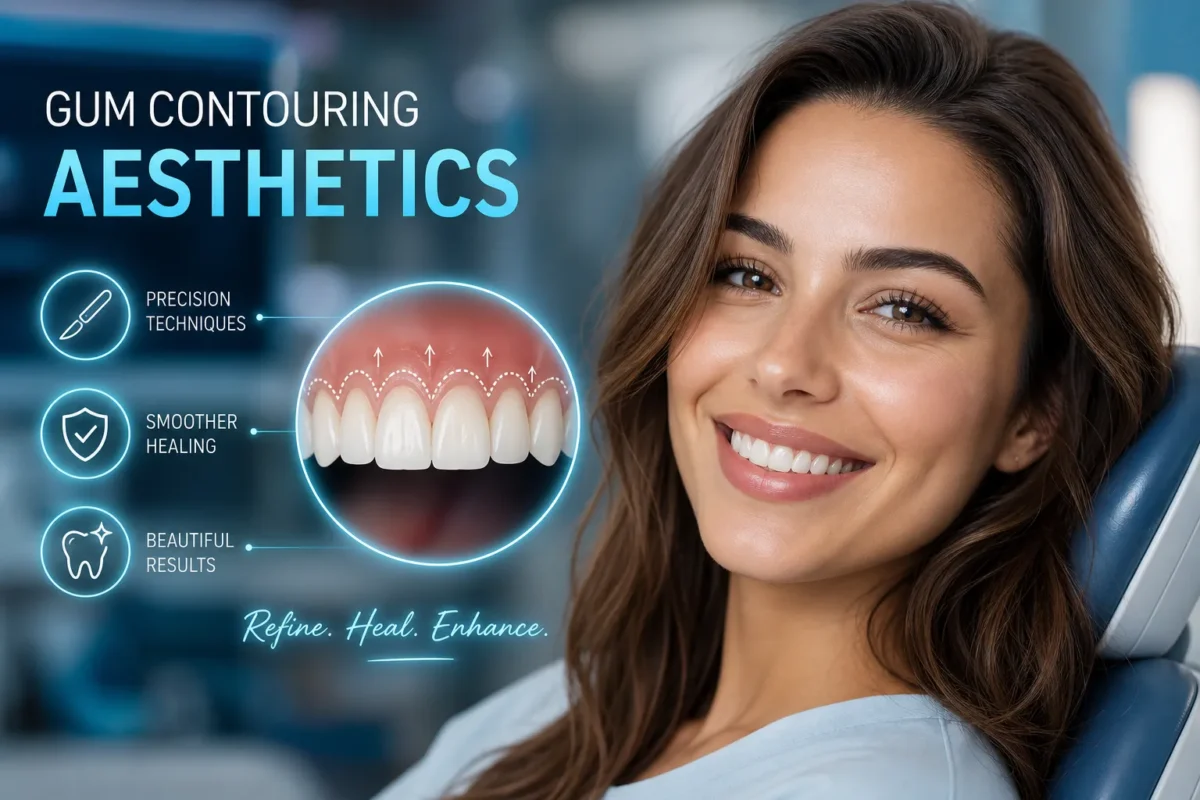
- Gum reshaping (pink aesthetics), adjusts the gum line to create better proportions between teeth and gums.
- Teeth whitening, addresses colour on natural teeth and is often used to establish the base shade before veneers or crowns are placed.
- Implants, replace missing teeth entirely, from the root up.
Not every patient needs all of these. A good clinic builds a plan around what you actually need. Any clinic quoting a full package before running diagnostics is optimizing for revenue, not your result.
Where Digital Smile Design fits into the plan
DSD is a planning and visualization tool, not a standalone treatment. It uses photographs, facial measurements, and design software to preview your result before a single tooth is prepared. The dentist can test proportions, shade, and gum-line balance digitally and share that preview with you before any irreversible work begins. Clinics still relying on physical impressions and manual guesswork are operating a decade behind the current standard. For any serious smile makeover, DSD should be the baseline, not an upsell.
Peer-reviewed studies also document the benefits of digital planning for treatment predictability; see published clinical research that explores digital workflows and outcomes for further context.
How the process works from first scan to final placement
Understanding the actual sequence of appointments helps you plan your trip and spot shortcuts that lead to poor results.
Intraoral scanning, 3D planning, and the digital workflow
Modern Istanbul clinics use intraoral scanners to create precise 3D digital models of your teeth, replacing the uncomfortable impression putty most patients remember from childhood dentistry. These digital models feed directly into smile design software, giving the dentist sub-millimeter accuracy when planning tooth proportions, shade, and alignment. The practical benefit is significant: the plan is data-driven rather than approximate, and the lab fabricates restorations from exact digital specifications rather than physical casts that can distort.
Temporary restorations: the phase most patients underestimate
After tooth preparation and before your permanent restorations are placed, temporary veneers or crowns are fitted. This phase tests several things simultaneously: how your bite functions with the new shape, how speech is affected (phonetics), whether the aesthetic proportions work in real life, and whether the shade reads correctly in different lighting. This is where personalization actually happens. Skipping this phase, or rushing through it, is exactly how patients end up with the over-white, one-size-fits-all results that give dental tourism a bad reputation. The temporary phase is not a formality; it’s the checkpoint.
Realistic timelines by treatment type
Straightforward veneer or crown cases can be completed in 5 to 7 days. That’s realistic for patients with healthy tooth structure who need cosmetic correction across a defined number of teeth. Comprehensive cases involving gum surgery, implants, or orthodontic preparation are a different story: those extend to weeks or months across multiple trips. Be skeptical of any clinic promising to complete a complex, multi-disciplinary case in a single visit. That timeline is not clinically sound, and the results will reflect it.
Istanbul gülüş tasarımı costs in 2026
Below are actual numbers based on 2026 clinic quotes and published pricing from mid-tier to premium Istanbul practices.
Per-procedure price ranges you can use for budgeting
Porcelain veneers in Istanbul currently run between €200 and €400 per tooth, depending on the clinic tier and material. Zirconia crowns run €110 to €260 per tooth. Full-mouth rehabilitation or Hollywood Smile packages covering 16 to 20 units are priced around €3,500 to €4,500 at reputable clinics (roughly CAD $5,300 to $6,800 at current exchange rates). Digital Smile Design planning is typically bundled into the treatment quote rather than billed as a separate line item.
For context: a single porcelain veneer in the United States costs USD $1,500 to $2,500 per tooth. On a 10-tooth case, that’s a difference of $10,000 or more before factoring in flights and accommodation. The savings are real. The question is whether you’re getting equivalent quality, and that depends entirely on the clinic you choose.
Package quotes vs. itemized quotes: which to ask for and why
When you receive a quote from an Istanbul clinic, ask for both a bundled package figure and an itemized breakdown. The package number is convenient for comparison, but it can obscure important details: how many teeth are included, whether temporaries and scans are part of the price, and what follow-up is covered. An itemized quote tells you exactly what you’re buying. If a clinic is reluctant to provide one, that’s a useful signal about how they operate.
What to check before you commit to a clinic
Istanbul has hundreds of dental clinics, and the city itself guarantees nothing. Quality lives at the clinic level, not the destination level.
Credentials and certifications that actually signal quality
Start with baseline requirements: the treating dentist should be registered with the Turkish Dental Association and the clinic should hold Ministry of Health compliance. Those are the floor, not the ceiling. Beyond that, look for postgraduate training specifically in aesthetic dentistry, prosthodontics, or oral surgery, general dental school training does not produce the skill set required for high-quality smile design work. At the institutional level, JCI or TEMOS accreditation and ISO certification indicate formal quality and safety oversight. Also confirm in writing which materials will be used: E.max or zirconia, specified by brand and grade.
How to evaluate a before/after portfolio honestly
A credible portfolio shows variety: not just the easy, predictable cases where any competent dentist would produce a good result, but cases with complexity, asymmetry, worn teeth, gum involvement, and full-arch rebuilds. Photography angles should be consistent so you can make real comparisons between before and after. If every image in a clinic’s portfolio features dramatic transformations under perfect studio lighting with no documentation of clinical complexity, you’re looking at marketing material, not evidence. Cross-reference the portfolio with reviews on independent platforms, not just Google, but Trustpilot, RealSelf, and Bookimed, where volume and consistency of feedback tells a more complete story.
Questions to ask in your free consultation
- How many appointments will my case require, and is that realistic within my travel window?
- What materials will you use, and will those be specified in writing in my treatment plan?
- Will I receive a digital preview of the result before any tooth preparation begins?
- Does the quoted price include temporaries, scans, and follow-up adjustments?
- What is the process if I need corrections after I return home?
A clinic that answers these questions clearly and without hesitation is operating transparently. A clinic that deflects or gives vague answers is telling you something about how your treatment will be handled.
Why the clinic you choose matters more than the destination
This is the part most guides skip. Istanbul does not produce good or bad smile design results, clinics do. And not all clinics in Istanbul are running the same model.
The problem with high-volume dental tourism operations
A large share of Istanbul’s dental tourism market is built on volume. Clinics designed to process international patients efficiently tend to apply the same shade, the same shape, and the same protocol to every case. The result is patients who leave with teeth that look like they came off a production line, because they did. This is not a scare tactic; it’s a description of what happens when a clinical operation optimizes for throughput rather than individual outcome. The temporary phase gets compressed, diagnostic nuance gets skipped, and the final result reflects those shortcuts.
What a boutique smile design practice looks like in practice
Dt. Çağrı Altuntaş Dental Clinic, based in Nişantaşı, Istanbul’s upscale Şişli district, is a concrete example of the alternative model. Dr. Altuntaş holds a Master’s degree in Oral Surgery and Implantology from Saint Camillus University in Italy, combined with over 15 years of Istanbul-based cosmetic dentistry practice. That means he can handle cases that involve both the structural and the visual side of the outcome, not one or the other, which matters when gum work, implants, or full-arch rehabilitation is part of the picture.
The clinic uses digital intraoral scanning and 3D smile planning as standard clinical protocol, not as an add-on for premium patients. Health Turkey certification provides the international safety and regulatory framework that North American patients need when evaluating a clinic abroad. Because the practice is boutique rather than high-volume, each treatment plan is built around the individual patient’s facial proportions, natural tooth structure, and specific goals. The clinic’s free smile analysis is a low-commitment starting point for anyone still comparing options. It gives you a real clinical perspective on what your case involves before you decide anything.
Your next steps toward an istanbul gülüş tasarımı consultation
Start by identifying which category your case falls into: cosmetic correction with healthy teeth, or restorative-cosmetic work involving structural damage or missing teeth. That determines the complexity and timeline you’re working with. Next, build a realistic cost estimate using the per-procedure ranges above and factor in travel and accommodation when comparing to domestic pricing. Then vet at least two clinics, check credentials against the markers outlined here, review portfolios across multiple platforms, and ask the five questions listed above in your consultation.
Istanbul gülüş tasarımı (gülüş estetiği, or smile aesthetics, as it’s also known) at its best is precise, personalized, and worth the trip. The treatments are clinically sophisticated, the technology is current, and the cost advantage over North American pricing is substantial and real. None of that matters, though, if you choose a clinic that treats your case like a formula. The right clinic asks the right questions first, shows you the plan before preparing a single tooth, and builds a result that looks like your best smile, not a generic one.
If you’re ready to find out what your case actually involves, book a free smile analysis at Dt. Çağrı Altuntaş Dental Clinic. It’s a no-commitment starting point with a clinician who has the training and the portfolio to back up what he promises.
Frequently Asked Questions
Is Istanbul smile design a single procedure?
No. It is a planning framework that coordinates the treatments required for colour, shape, alignment, gum balance, function and missing teeth.
What is Digital Smile Design used for?
It combines photographs, scans and facial-dental measurements to plan proportions, communicate options and, where suitable, create a preview or mock-up.
How long does a smile design treatment take in Istanbul?
The schedule ranges from a short restorative visit to staged treatment over months, depending on whether the plan includes implants, orthodontics, surgery or healing.
Should I choose a smile makeover package?
A package is useful only when its tooth count, materials, diagnostics, temporary work, follow-up and exclusions match your diagnosed needs. Ask for an itemised alternative.
How can I assess before-and-after photographs?
Look for cases similar to yours, consistent lighting and angles, natural gum health and documentation of the treatment performed—not only dramatic colour changes.
What should I ask during an online consultation?
Ask who performs each stage, which materials and laboratory are used, what the provisional timeline is, what may change after examination and how aftercare works abroad.