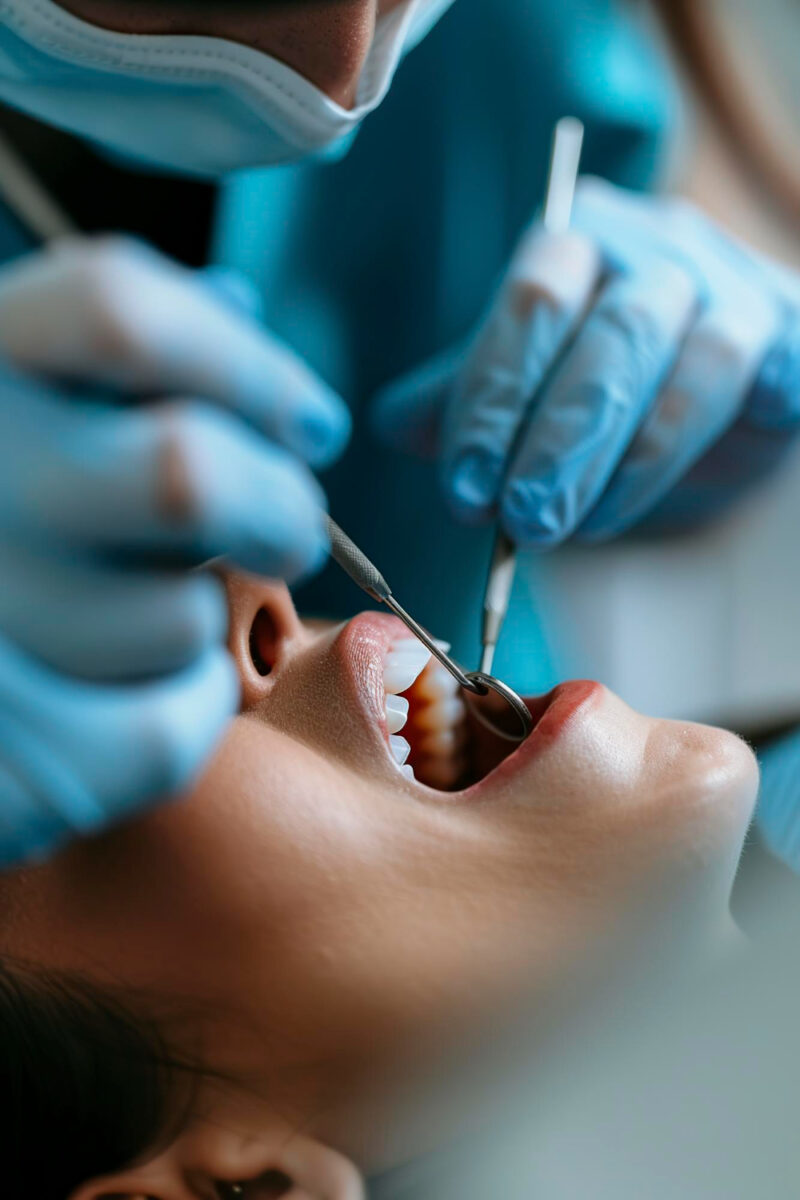
In our previous article, we discussed those small layers of tissue inside the mouth that connect the lips, tongue, and cheeks to the gums—that is, frenulums—we discussed their hidden roles in our smile aesthetics and oral health. However, the biggest concern for patients coming to our clinic begins after these ligaments are diagnosed as causing structural issues: “Does this frenulum have to be cut?”, “Will the procedure be painful?”, “Will my speech or smile be affected?”
In cosmetic dentistry and periodontology (gum disease treatment), releasing an anatomically misplaced frenulum at the right time and with the correct technique prevents many future major problems from arising. As Dr. Çağrı Altuntaş, in this surgical guide, I boldly explain the millimeter-level details of the frenulum procedure (frenectomy</ a>), the differences between traditional methods and laser technology, the healing process, and all the clinical facts you’re curious about regarding the procedure.
1. What Is a Frenectomy? Is It Just "Cutting the Frenulum"?
In the dental literature, frenectomy refers to the surgical procedure of completely removing or repositioning frenulum tissue that is of abnormal size, thickness, or position. If the tissue is not completely removed but is simply released with a small incision to reduce tension, this is called frenotomy.
Although this procedure is often simplified in lay terms as “lip tie release” or “tongue tie surgery,” it is actually a form of tissue engineering performed at the microscopic level. The goal is to eliminate the pulling force exerted by the muscle fibers attached to the frenum on the gum tissue. Because that small piece of tissue triggers biological damage by pulling your gums up or down every time you speak or eat.
2. When Should Intervention Be Performed? Indications for Frenectomy
It is perfectly normal to have a frenulum in the mouth; however, if any of the following 5 critical issues are present, intervention on that frenulum becomes an aesthetic and functional necessity:
A. Unclosed Gaps Between the Front Teeth (Diastema)
The labial frenulum (the frenulum running through the exact center of the upper two front teeth) is sometimes so thick and positioned so low that it physically prevents the two teeth from coming together. Even if these gaps are closed through orthodontic treatment (braces or clear aligners), if the thick frenulum beneath is not cut via frenectomy, the teeth will return to their original separated state shortly after treatment ends.
B. Gum Recession and Root Exposure
When the cheek or lip ligaments attach directly to the gum line (marginal ridge), every time you move your mouth, they pull on the gum tissue, attempting to detach it from the bone. This chronic pulling force, over time, leads to severe gum recession in front or side teeth, exposure of root surfaces, and consequently, severe sensitivity to hot and cold.
C. Speech Disorders (Ankyloglossia / Tongue-Tie)
When the frenulum under the tongue is too short and located very close to the tip of the tongue, a condition commonly referred to as “tongue-tie” or “speech impediment” develops. The person cannot stick out their tongue or lift it upward; they have difficulty pronouncing letters such as “R,” “L,” “T,” and “S.” This condition negatively affects speech development in children and undermines social confidence in adults.
D. Denture Mismatch and Teeth That Constantly Fall Out
Especially in completely edentulous patients, the hidden culprit behind removable dentures (false teeth) not staying in place, constantly popping out, or falling out every time the patient opens their mouth is active buccal frenums. When these frenums are released through frenectomy, the denture’s retention improves significantly.
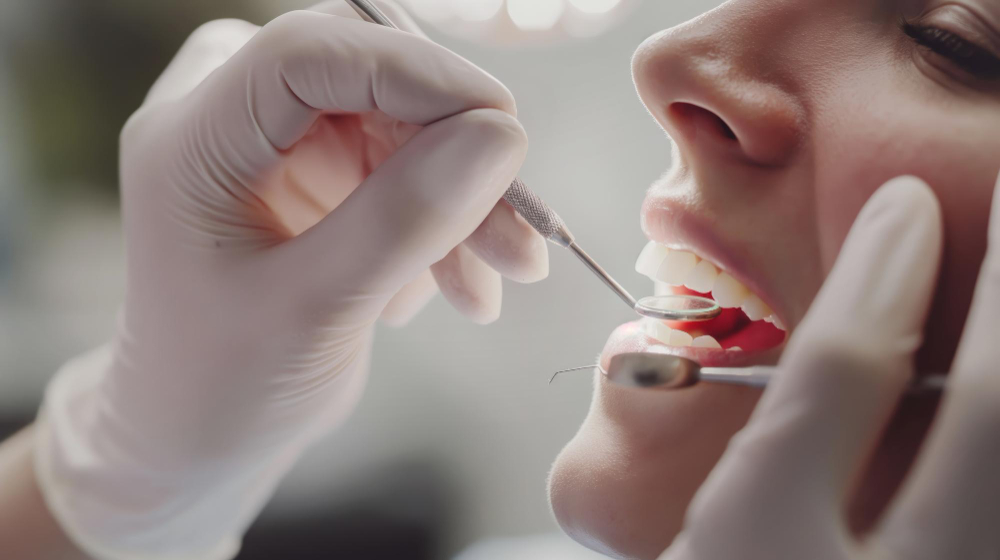
3. Traditional Surgery or Laser Technology?
As a dentist, the fear I encounter most often in the clinic relates to the surgical aspect of the procedure (the use of a scalpel). Advances in dental technology have transformed this process into a completely comfortable and pain-free experience for our patients. Today, we can perform frenectomy using two different methods:
Method A: Traditional Surgical Method Using a Scalpel
In the traditional method, the frenulum tissue is cut and removed using a scalpel, and the area is sutured. Although this method has proven clinically successful, bleeding during the procedure is normal; since sutures are applied, the healing process may take a few days, and the patient must return to the clinic to have the sutures removed.
Method B: Frenectomy with Next-Generation Laser (The Most Comfortable Approach)
In the laser technology we frequently use at our clinic, there is no need for a scalpel or a surgical procedure involving bleeding. The laser light vaporizes the tissue at the micron level, effectively removing the frenulum.
Zero Bleeding: Since the laser seals the capillaries in the tissue as it cuts, the procedure is completely bloodless.
Suture-Free Process: There is no need for sutures in the area. The tissue heals on its own without the tension caused by sutures.
Maximum Sterilization: Since the laser light instantly eliminates all bacteria in the surgical area, the risk of post-operative infection approaches zero.
4. The Surgical Process: What to Expect, Step by Step
Contrary to what you might think, a frenectomy is a much shorter and less invasive procedure than getting a dental filling at the dentist’s office:
[1. Local Anesthesia (Light Spray/Gel)] ──> [2. Laser or Surgical Procedure (5–10 Min)] ──> [3. No Stitches / Quick Recovery]
Local Anesthesia: Anesthetic gels are first applied to the small area to be treated, followed by a minimal dose of local anesthesia. This ensures you feel absolutely no stinging or pain during the procedure.
Procedure: Depending on the chosen method (most commonly laser), the connective tissue is completely released within 5 to 10 minutes. Our patients usually get up from the chair in surprise, asking “Is it over?”.
Post-Op (Post-Procedure): If a laser was used in the treatment area, a light white-yellowish protective tissue layer forms. This is a completely normal healing tissue (fibrin layer) and must not be disturbed under any circumstances.
5. Clinical Comparison Matrix of the Two Methods
The table below transparently summarizes the effects of the two different frenectomy methods performed at our clinic on patient comfort and recovery speed:
| Criterion / Feature | Laser Pharyngectomy | Conventional Surgery (Scalpel) |
|---|---|---|
| Bleeding Status | Negligible. Vessels are sealed immediately, leaving the surgical site completely clear. | Normal bleeding. Oozing may occur during and after the procedure. |
| Need for Sutures | No sutures are required. The tissue is left open to allow for natural biological healing. | Sutures are required. Sutures are necessary to bring the edges of the injured tissue together. |
| Procedure Duration | Very short (3–5 minutes). The laser light rapidly vaporizes the tissue. | Moderate (15–20 minutes). The process takes longer due to the cutting, bleeding control, and suturing stages. |
| Healing Speed & Swelling | Very fast. Healing is stimulated at the cellular level; no swelling or edema occurs post-surgery. | Normal (5–7 Days). Mild tightness and swelling in the first few days are natural, depending on the presence of sutures. |
| Risk of Infection | Minimal (Nearly Zero). Laser beams completely sterilize the area. | Low / Moderate. If oral hygiene is not maintained, suture threads can harbor bacteria. |
6. Golden Rules to Follow After Surgery
The guidelines our patients must follow at home to ensure complete and proper tissue healing after a frenectomy are quite simple:
No Hot Foods on the First Day: On the day of the procedure, patients should avoid very hot, acidic, excessively spicy, and hot foods. Soft foods at lukewarm or room temperature (purees, yogurt, soup) should be preferred.
Oral Hygiene Guidelines: Do not apply hard pressure to the surgical site with a toothbrush. All other teeth should be brushed normally, and the mouth should be kept clean using antiseptic mouthwashes recommended by your dentist.
Tongue and Lip Exercises: Especially after tongue-tie (ankyloglossia) surgeries, simple tongue movements demonstrated by your dentist (such as touching the tip of the tongue to the roof of the mouth or sticking it out) should be performed regularly every day to prevent the tongue from reattaching to the underlying tissues and to accelerate speech function.
7. Frequently Asked Questions (FAQ)
Will cutting the lip or tongue tie affect my speech or smile?
On the contrary, releasing a malpositioned tie will free up your speech and smile. When the tongue tie is cut, the tongue’s range of motion increases, allowing you to pronounce letters you previously couldn’t with much greater ease. When the lip tie is cut, the artificial muscle tension above your upper lip is eliminated, making your gums appear more balanced and aesthetically pleasing when you smile.
Operasyon sırasında veya sonrasında çok acı hisseder miyim?
Hayır. Operasyon zaten lokal anestezi altında yapıldığı için işlem anında sıfır sızı hissedersiniz. Operasyon sonrasında, özellikle lazer kullanılmışsa, ağrı kesici almanızı bile gerektirmeyecek kadar hafif bir sızlama dışında büyük bir ağrı yaşanmaz. Klasik cerrahide ise hekiminizin önereceği basit bir ağrı kesici ilk günü tamamen konforlu geçirmenizi sağlar.
What is the best age for a tongue-tie procedure in children?
If a tongue-tie prevents a baby from feeding or suckling, intervention should be performed even during the newborn period (without delay). If there are no feeding issues but the tongue tie causes problems with letter pronunciation during the speech development phase, the procedure can be safely performed around the age of 3–4 under the supervision of a speech therapist and a pediatric dentist (pedodontist).
What happens if a lip tie is not cut?
If the lip tie remains thick and continues to stay low, the gaps between your front teeth will never close permanently; due to the chronic pulling force in that area, you may experience severe gum recession in your front teeth at an early age, along with associated root decay and tooth loosening.
Result: A Small Touch, Great Comfort
Ağız içindeki frenulumlar boyut olarak küçük görünseler de yarattıkları kronik kas baskısıyla diş dizilimimizi, diş eti sağlığımızı ve konuşma kalitemizi doğrudan etkileyen güçlü anatomik yapılardır. Eğer aynaya baktığınızda ön dişlerinizde ayrıklık görüyorsanız, diş etlerinizin çekildiğini hissediyorsanız ya da konuşurken dilinizin hareketlerinin kısıtlandığını düşünüyorsanız, sorunun kaynağı hatalı konumlanmış bir bağ dokusu olabilir.
Unutmayın; modern diş hekimliğinde frenektomi, lazer teknolojisi sayesinde korkulacak bir cerrahi süreç değil, sadece birkaç dakika içinde hayat kalitenizi artıran koruyucu bir tedavidir.
Ağzınızdaki frenulumların konumunu dijital yöntemlerle analiz etmek, lazer konforuyla sızısız ve dikişsiz bir tedavi planı oluşturmak için Dt. Çağrı Altuntaş klinik hatlarından randevunuzu hemen oluşturabilirsiniz.