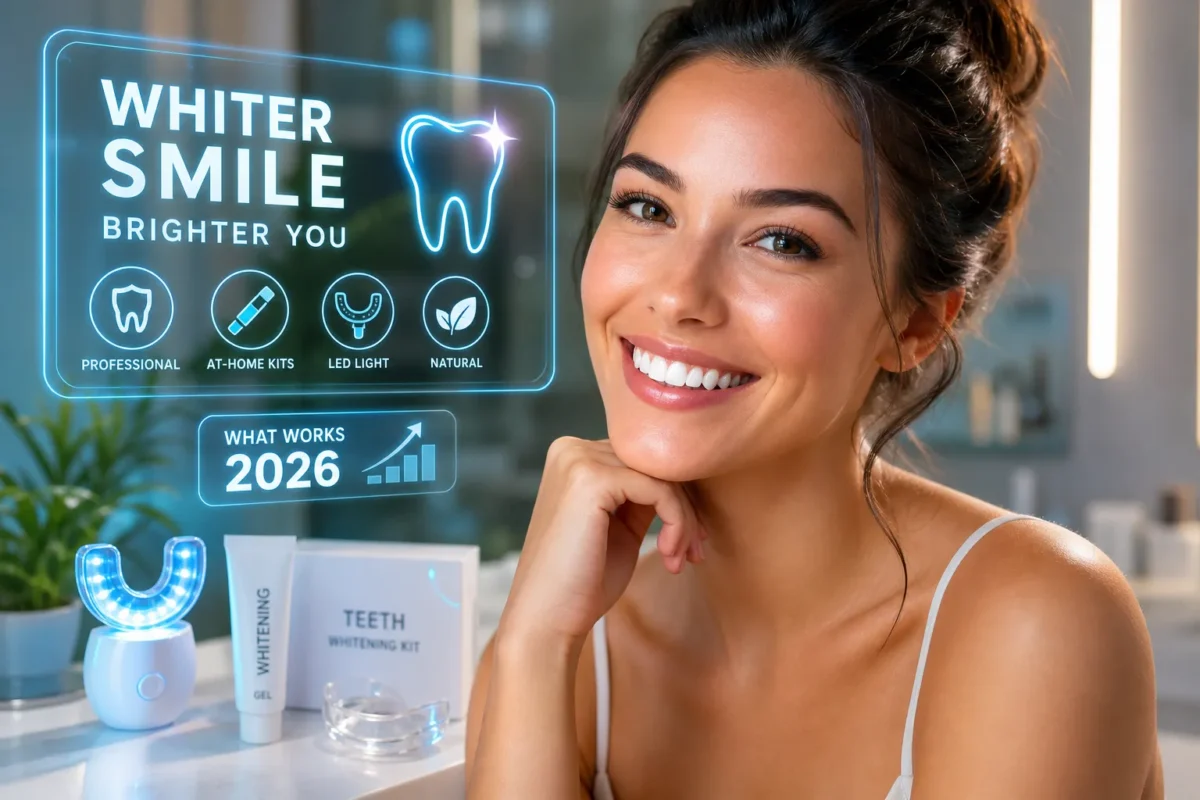
Walk into any drugstore and you’ll find an entire aisle of whitening products. Strips, pens, trays, LED kits, charcoal pastes. The variety has never been broader, and the gap in results has never been wider. Buying the wrong one doesn’t just waste money, it can mean weeks of sensitivity with barely a noticeable shade change to show for it.
There are three meaningful categories here: in-office bleaching, professional take-home trays, and over-the-counter kits. Each sits at a different point on the cost-to-results spectrum. In-office treatments are faster and more powerful but carry the highest price tag in the US market. Professional trays offer a strong middle ground. OTC strips are accessible but typically formulated at lower peroxide concentrations than professional products. The right choice depends entirely on what you’re trying to fix and how quickly you want to see it.
One more thing worth flagging early: a growing number of patients are traveling to Istanbul to access professional-grade whitening at prices the US market rarely matches. That’s worth addressing later. First, the mechanics of how whitening actually works, and what separates the best teeth whitening treatment from a product that simply looks credible on a shelf.
How teeth whitening actually works
Hydrogen peroxide vs. carbamide peroxide
Every whitening product, regardless of brand or format, works through one of two active agents: hydrogen peroxide or carbamide peroxide. Both oxidize the stain compounds trapped inside enamel, breaking the molecular bonds that cause discoloration. The difference is speed. Hydrogen peroxide is fast-acting, with most of its whitening activity occurring within 30, 60 minutes, which is why it’s the standard for in-office sessions. Carbamide peroxide releases more slowly, making it better suited for longer-wear take-home trays where gel stays on teeth for hours at a time.
A useful rule of thumb for comparing products: carbamide peroxide is roughly one-third the effective strength of hydrogen peroxide at the same concentration. A 30% carbamide peroxide gel is approximately equivalent to a 10% hydrogen peroxide formulation. That conversion matters when you’re evaluating at-home tray systems against in-office treatments.
What whitening can and cannot fix
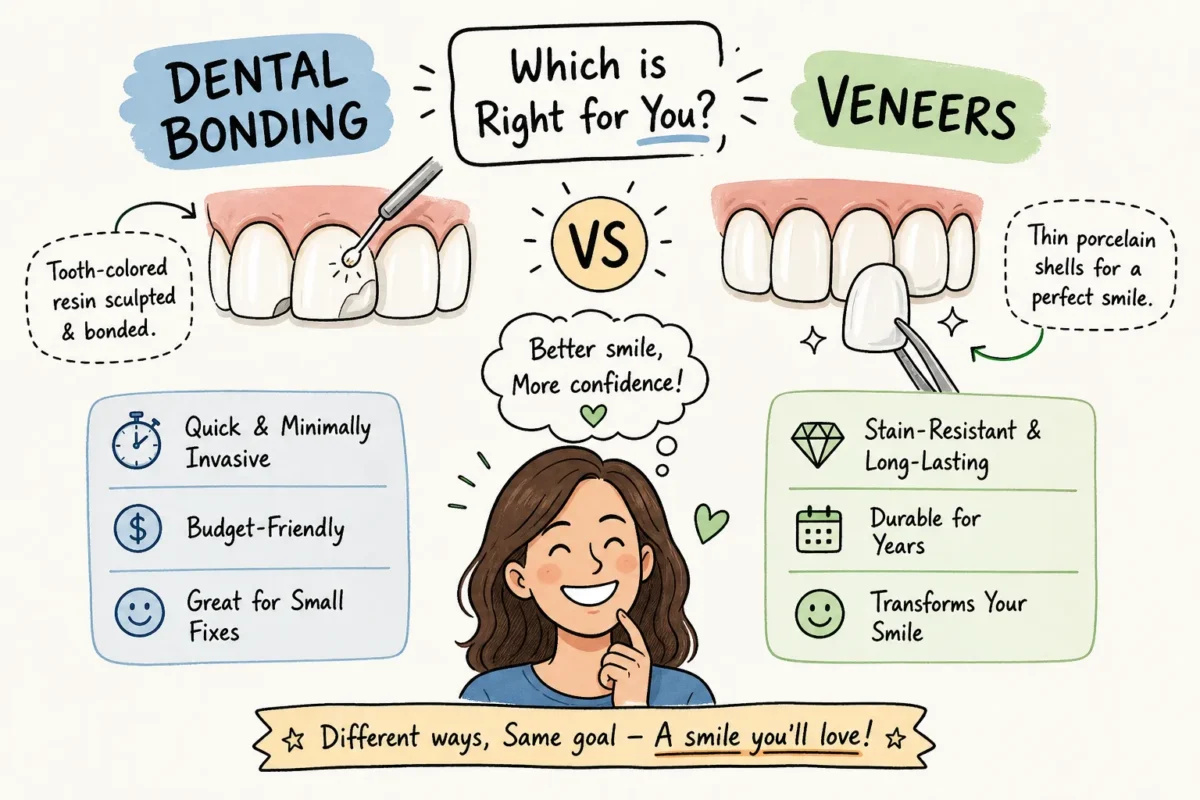
Bleaching works on intrinsic stains, the discoloration that builds up from coffee, tea, red wine, and tobacco over years of normal use. It does not change the shade of existing crowns, veneers, or bonding material. Those restorations are made from materials that don’t respond to peroxide, so if you have visible dental work on your front teeth, whitening your natural teeth around them can actually create a mismatch.
Patients with staining from tetracycline antibiotics or from dental trauma will also see limited results regardless of the method. Those stains sit deeper in the tooth structure than surface bleaching can reliably reach. Setting realistic expectations before you start saves both money and disappointment.
In-office whitening: fastest results, highest US cost
Zoom and LED-activated systems
Zoom is the most widely available branded in-office whitening option in the US. The process uses an LED light to activate a hydrogen peroxide gel applied to the teeth, and a typical session runs 60, 90 minutes. Average cost lands around $500, $700, with higher-cost metro areas pushing closer to $1,000. Most patients see 5, 8 shades of improvement in a single visit, which makes it the go-to choice when someone needs visible results before a wedding, a job interview, or a significant event.
Laser whitening: premium equipment, similar outcomes
Laser whitening substitutes a specialized laser light source for the LED used in Zoom-style systems. The price reflects the equipment investment, typically ranging from $611, $1,368 in the US depending on the provider and market. Clinically, the shade improvement is comparable to LED-activated systems. The premium is largely about overhead and equipment costs at the practice, not dramatically better patient outcomes.
What to realistically expect from a single session
The 5, 8 shade range is real, but it isn’t guaranteed for every patient. Genetics, enamel thickness, and the nature of your staining all influence how far the results go. Some patients hit 8 shades; others land at 4. For typical dietary staining, one session often achieves 3, 8 shades of improvement, and many patients find that sufficient. Results don’t last indefinitely, though. Most patients need a maintenance session every 6, 12 months to keep the shade where they want it.
Choosing the best teeth whitening treatment: professional take-home trays
How custom trays outperform generic options
Custom-fitted trays from a dentist do something OTC options can’t: they keep whitening gel precisely on your teeth and off your gums. That better fit reduces irritation, improves even coverage across each tooth surface, and allows the use of higher-concentration carbamide peroxide formulas, typically 10%, 20%, that over-the-counter products aren’t formulated to match. Results build gradually over 1, 2 weeks of nightly or daytime wear, making this the most flexible route for patients who want professional-level brightening on their own schedule.
Opalescence and professional-dispensed systems
Opalescence is among the most clinically studied professional take-home systems available. It uses carbamide peroxide in a slow-release format that achieves comparable brightening to in-office treatment, spread across more sessions. Cost ranges from roughly $100, $400 depending on whether a dentist fabricates custom trays or a patient uses prefilled Opalescence Go trays. With consistent use, results typically last several months to about a year. The ongoing maintenance cost runs lower than repeat in-office visits since patients only need to buy fresh gel once the trays are made.
OTC strips and kits: what they can actually deliver
The best teeth whitening treatment options over the counter
Crest 3D Whitestrips Professional Effects remains the benchmark in the OTC category. At 6.5% hydrogen peroxide, it consistently lightens teeth 3, 4 shades over a 20-day course and earns top consumer ratings on major retail platforms such as Amazon and Walmart. The LED combo kits offer modest acceleration over strips alone. For patients with sensitive teeth, Zimba strips and the Crest Sensitive + LED kit are solid options: testers report minimal post-use discomfort, and the Crest Sensitive version can show nearly two shades of improvement in as few as five days. For a curated list of consumer-tested options and hands-on reviews, see a roundup of the best teeth whitening kits.
Realistic expectations and where OTC falls short
OTC whitening products are typically formulated at lower peroxide concentrations than professional-grade systems, a limit that affects how deep the bleaching can reach. Surface stains respond well to a full strip course; deeper discoloration responds minimally. A completed OTC cycle can hold results for up to six months with careful maintenance. For anyone with moderate-to-severe staining, strips and retail kits are a maintenance tool. They’re not a transformation solution.
Sensitivity, longevity, and keeping results intact
Why sensitivity happens and how to manage it
In-office whitening carries a higher sensitivity risk than at-home methods because the peroxide concentration is significantly greater. Sensitivity typically peaks within 12, 24 hours after an in-office session and resolves for most patients within 48, 72 hours. At-home tray users may notice mild sensitivity for a few hours after each application. Certain patients with baseline sensitivity may experience mild symptoms for up to two weeks at lower incidence. For clinical data on sensitivity and other outcomes after whitening, consult published research summarizing evidence on whitening agents and their effects.
Dentists recommend a few straightforward steps to manage it:
- Use potassium nitrate-based desensitizing toothpaste for at least one week after treatment
- Avoid temperature extremes (hot or cold foods and drinks) for 48, 72 hours post-bleaching
- Skip acidic foods and beverages for two days after any whitening session
- Use a soft toothbrush and gentle brushing technique in the days immediately after treatment
How long each method’s results last
In-office whitening holds for 6 months to 3 years, depending heavily on lifestyle. Custom tray results typically last several months to about a year. OTC strip results last up to 6 months after a completed course. Smoking, coffee, red wine, and dark sauces are the primary drivers of faster fading across all three methods. The clinical treatment doesn’t determine longevity as much as what you do after it.
Maintenance habits that actually extend your results
The basics compound: brush twice daily, floss consistently, and rinse after staining beverages when brushing isn’t practical. Schedule professional cleanings every six months to remove surface buildup before it becomes ingrained discoloration. Plan a touch-up whitening session every 6, 12 months depending on your habits. Custom trays make maintenance significantly easier because the trays are already made, patients only need to purchase fresh gel from their dentist and repeat a shortened course rather than starting from scratch.
Getting the best teeth whitening treatment in Istanbul at a fraction of US prices
The cost gap that makes dental tourism practical
In-office whitening in the US runs $500, $1,000 per session. The same professional-grade treatment at an internationally accredited clinic in Istanbul typically costs $100, $350, with some premium clinics ranging up to $600. Based on comparative pricing data for dental tourism destinations, that can represent a 40%, 80% reduction depending on the clinic and method. For an accessible discussion of contemporary professional teeth whitening cost expectations, see reporting that breaks down typical US pricing and what drives the variance. For a detailed price comparison and guide to typical procedure pricing, you can also review a complete price breakdown for teeth whitening.
What Dt. Çağrı Altuntaş Dental Clinic offers
Dr. Çağrı Altuntaş operates a boutique cosmetic dentistry clinic in Nişantaşı, one of Istanbul’s most upscale neighborhoods. The clinic offers professional teeth whitening as part of a broader cosmetic treatment menu that includes digital smile design, porcelain veneers, zirconia implants, and full smile makeovers. Multilingual support and a free online smile analysis consultation are built into the patient experience, features designed specifically for international patients who need clear communication and reliable information before committing to treatment abroad. Learn more about their professional options on the Teeth Whitening, Dt. Çağrı ALTUNTAŞ 2026 page.
Is the trip worth it for whitening alone?
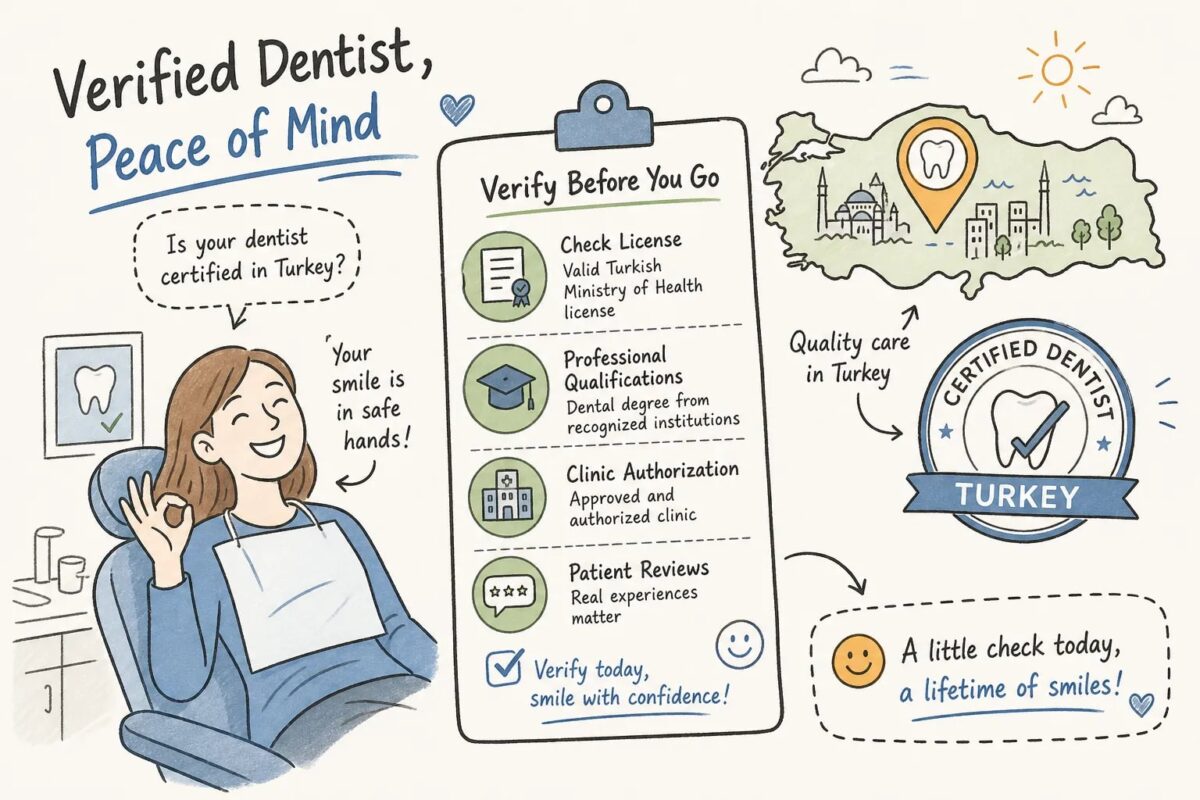
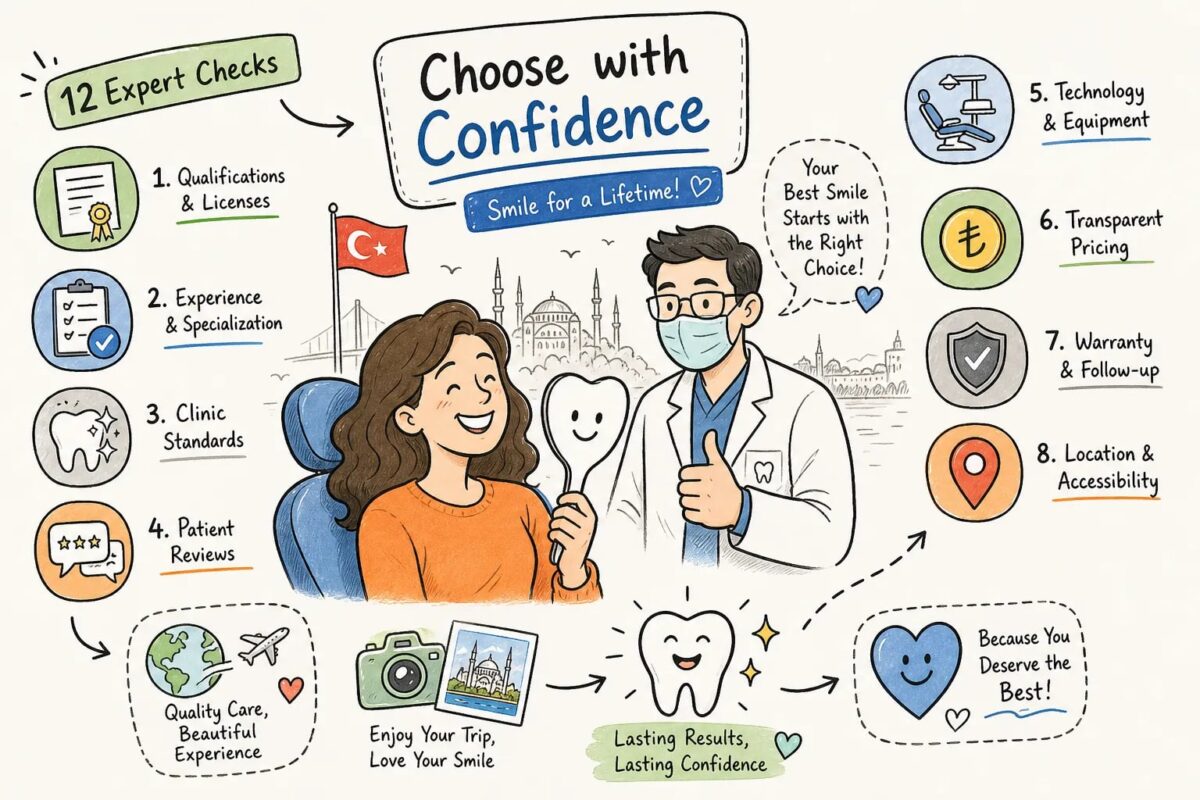
For most people, flying to Istanbul solely for a whitening session doesn’t make financial sense. But for anyone already planning veneers, implants, or a comprehensive smile makeover, adding professional whitening to the treatment plan costs very little extra and requires zero additional travel. When multiple procedures are involved, dental tourism to Istanbul can be highly cost-competitive; in many cases, the entire visit including flights, accommodation, and multiple procedures compares favorably to the cost of a single comprehensive procedure in the US. Whitening becomes part of a much larger calculation that already favors the trip. U.S. patients considering treatment abroad should consult guidance on how to find reliable providers when traveling for dental care, such as the clinic’s advice for prospective international patients in How U.S. Patients Can Find a Trustworthy Dentist in Turkey, Dt. Çağrı ALTUNTAŞ.
The decision comes down to your starting point
Choose in-office whitening if you need fast, visible results and have the budget for a single session. Choose professional take-home trays if you want strong results with more flexibility, lower sensitivity risk, and a lower per-use cost over time. Use OTC strips if you’re maintaining an already-bright smile or want to test your response to whitening before committing to something stronger.
The best teeth whitening treatment isn’t the most expensive one or the most convenient one. It’s the one matched to your actual staining level, your timeline, and your budget. Before spending $50 on strips that won’t reach your type of discoloration, or $700 on an in-office session without understanding your maintenance commitment, a short professional consultation changes the math entirely.
At Dt. Çağrı Altuntaş Dental Clinic, the process starts with a free online smile analysis. No commitment required. Find out what your teeth actually need, and what that realistically costs in Istanbul versus what you’ve been quoted at home. For details about the clinic’s whitening services, see Diş Beyazlatma (Bleaching), Estetik Diş Hekimi İstanbul 2026.