Walk into any pharmacy and the whitening aisle will make your head spin. Strips, trays, pens, charcoal powders, LED kits, oil-pulling tutorials. Everyone claims to have the answer. But most people buying those products are guessing, and most of them end up disappointed.
Patients often ask: what is the most effective teeth whitening treatment available? It’s one of the most common questions we hear at Dr. Çağrı Altuntaş Dental Clinic in Istanbul, from both local patients and Americans who’ve flown in for cosmetic work. The reason so many people end up frustrated isn’t that whitening doesn’t work. It’s that the wrong treatment for your stain type produces the wrong result, no matter how much you spend. The answer depends on four things: effectiveness, how long results last, cost, and sensitivity risk. Here’s the honest breakdown.
Why your stain type is the only filter that matters
Before you spend a dollar on any whitening product, you need to know what kind of stain you’re dealing with. This one distinction changes everything.
Extrinsic stains sit on the surface of your enamel. Coffee, red wine, tea, tobacco. These respond well to peroxide-based whitening because the bleaching agent can reach the discolored compounds easily. If your staining is relatively recent and dietary, almost any method will give you some improvement.
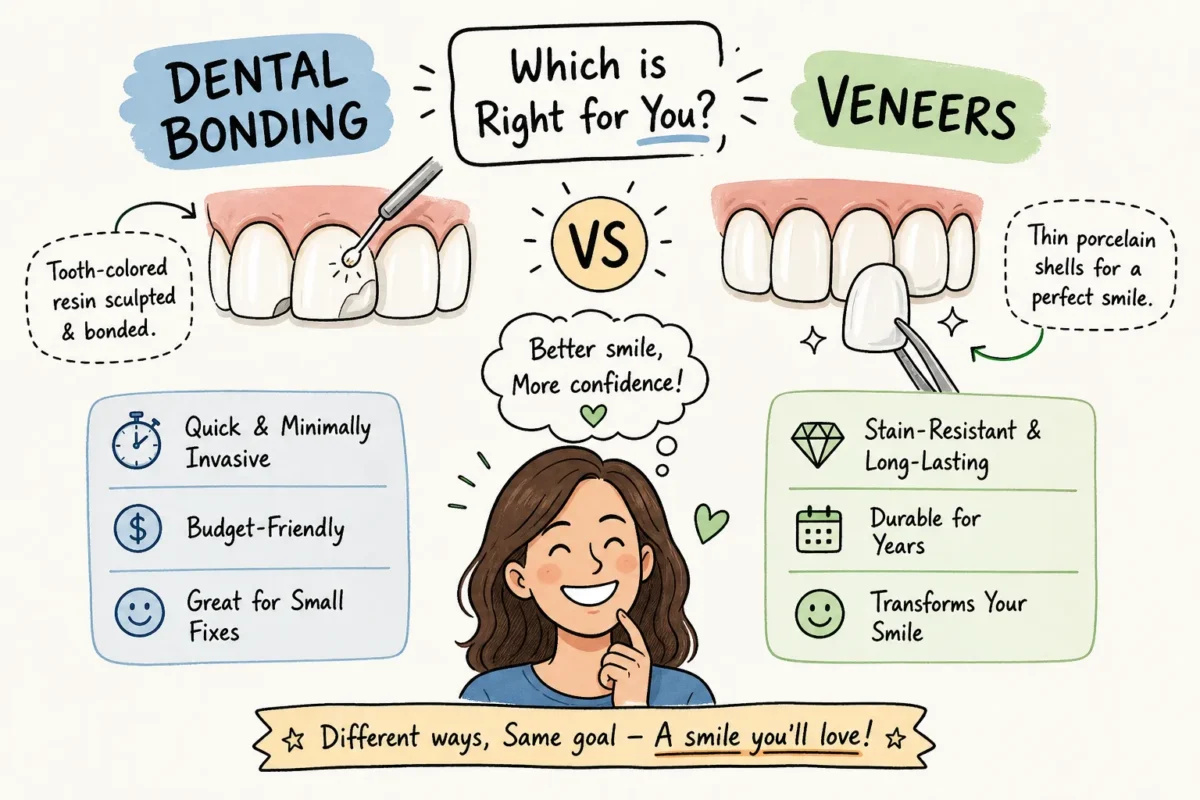
Intrinsic stains are a different story. These are embedded inside the tooth structure, caused by tetracycline antibiotics taken during childhood, excessive fluoride exposure (fluorosis), or the natural darkening of dentin that comes with age. Peroxide reaches these stains, but the results are slower, less complete, and less predictable. Fluorosis can actually look more noticeable after whitening, because the surrounding enamel lightens while the banded areas resist. If you’ve had gray or mottled discoloration since childhood, whitening will help to a degree, but a dentist may ultimately point you toward veneers as the more reliable solution.
Quick self-check: if your teeth were reasonably white a few years ago and have yellowed gradually from diet and habits, you’re a good whitening candidate. If the discoloration has been there since before you can remember, lower your expectations accordingly.
What is the most effective teeth whitening treatment available? In-office laser and LED whitening explained
In-office professional whitening uses high-concentration hydrogen peroxide, typically between 25% and 40%, applied directly to the teeth with gum protection in place. A laser or LED light source activates the gel. The whole process takes about an hour. For more on recommended concentrations used in office bleaching, see this overview of dental-bleaching and hydrogen peroxide concentrations review.
The typical result is 3 to 8 shades of improvement in a single visit. Widely used systems like Zoom report averages toward the higher end of that range. One thing worth knowing: teeth look dramatically whiter immediately after treatment partly because of temporary dehydration, and the final stable shade settles in over the following 48 to 72 hours. The result is still significantly whiter than any at-home method can achieve in a single session, but don’t judge the outcome on the evening of your appointment.
On the sensitivity question: it’s real. High-concentration peroxide produces more sensitivity than gentler methods, and it can be more intense than anything you’d feel from a take-home kit. Patients with existing sensitivity, enamel erosion, cracked teeth, or active gum issues should get a dental evaluation before booking. Using potassium nitrate toothpaste for two weeks before treatment significantly lowers the risk. Most sensitivity resolves within a few days.
As for light activation specifically, current meta-analyses show that the laser or LED component doesn’t consistently improve long-term results over peroxide alone. At higher concentrations of 25, 35%, light-activated and non-light-activated systems produce similar outcomes. The light speeds things up and adds to the experience, but the peroxide is doing the actual work, see a representative clinical study on bleaching outcomes here.
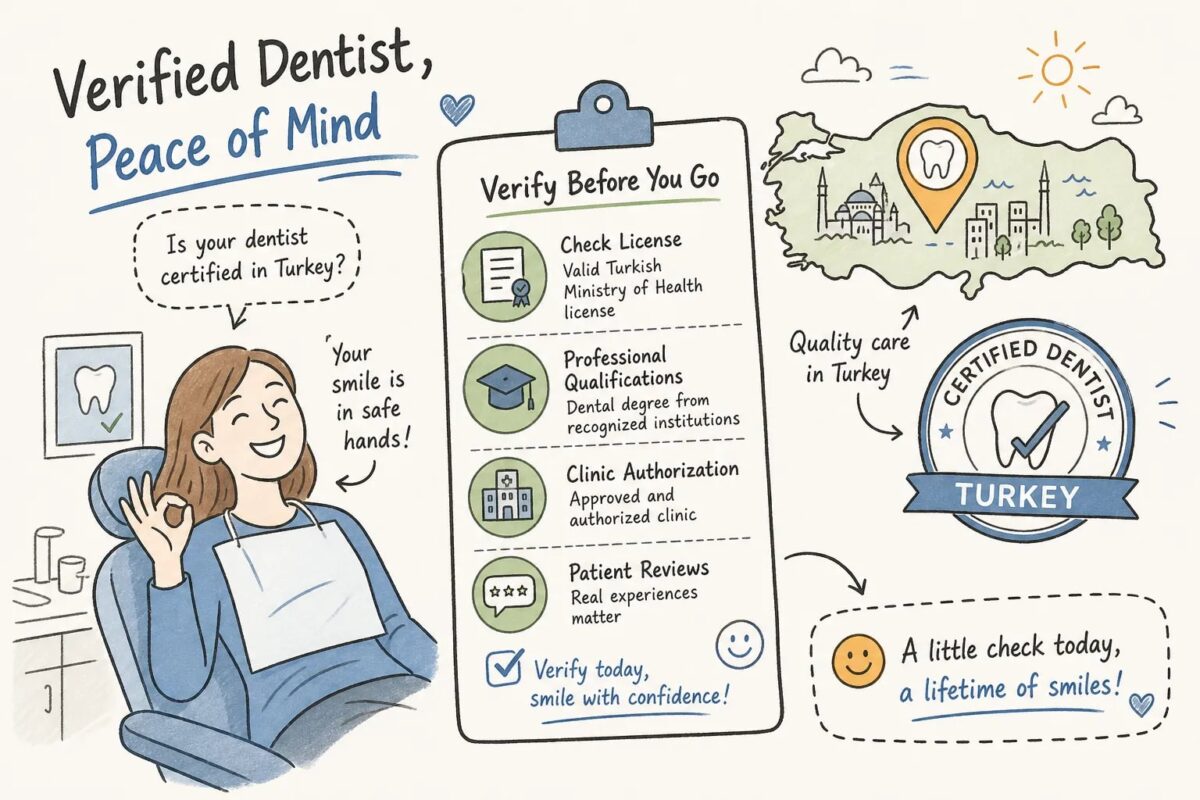
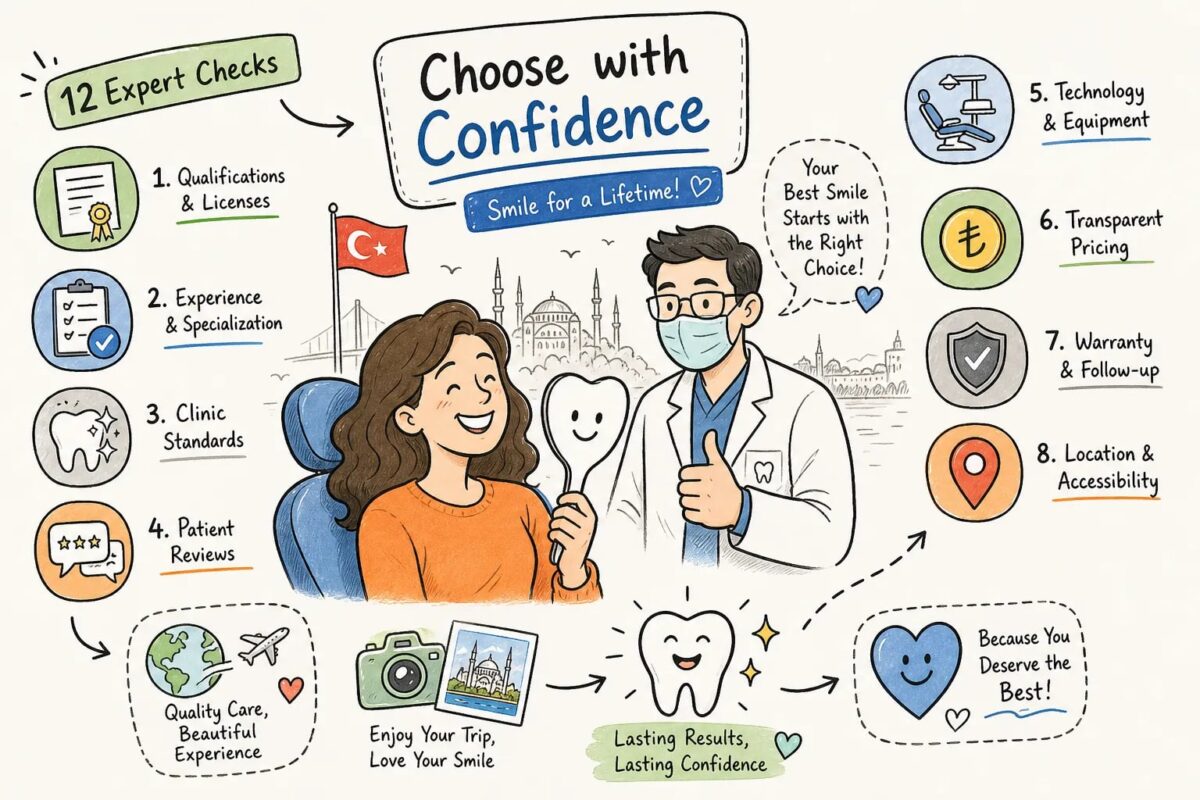
Cost in the US runs from $611 to $1,368 for laser-assisted in-office whitening, with a national average around $792. At Dr. Çağrı Altuntaş Dental Clinic in Istanbul, the same clinical-grade professional whitening is available at roughly 50 to 70% lower cost. The clinic operates under internationally recognized standards in a premium Nişantaşı setting. For Americans already planning a dental tourism trip for veneers or implants, adding professional whitening to the visit is a straightforward upgrade, learn more about how U.S. patients can find a trustworthy dentist in Turkey How U.S. Patients Can Find a Trustworthy Dentist in Turkey, Dt. Çağrı ALTUNTAŞ. For a consumer-facing overview of professional whitening options and what to expect, this guide is useful background professional whitening guide.
Custom professional trays: the most underrated option for lasting results
Most people overlook custom trays because they’re not exciting. There’s no laser. There’s no dramatic single-session story. But the clinical evidence consistently backs them as the best value-to-result ratio for most patients.
Custom trays use 10, 22% carbamide peroxide worn nightly, usually for one to four hours over two to four weeks. The results are slower than a single in-office session, but end results can reach comparable shade levels over time. The key difference is how your teeth feel during treatment. Because the concentration is lower and the exposure is gradual, sensitivity rates are significantly reduced. In published clinical trials, roughly 54% of tray users experienced mild sensitivity, 10% moderate, and only 4% severe. Severe cases typically resolved within two weeks without intervention, see the comprehensive review of whitening techniques and sensitivity in clinical studies here.
Results last about 4 to 6 months on average. In-office whitening edges that out slightly, lasting 6 to 12 months with good habits. But the real advantage of custom trays is that you keep them. Touch-up sessions every few months with a fresh gel refill extend your results without paying for another full treatment.
Custom tray kits from a dentist cost $150 to $600 in the US. Over a year of maintenance, that number doesn’t look very different from one in-office session. For patients who want durable results without the intensity of high-concentration in-office treatment, this is the most sensible choice on the market.
OTC strips and kits: honest expectations
Over-the-counter strips use 6, 14% hydrogen peroxide and work on extrinsic staining with consistent use. They’re not a scam. They do produce measurable results for surface-level discoloration. But they have real limits, and it’s worth understanding them before you buy.
The shade change from strips is less significant than professional options, and they have no effect on intrinsic staining. Results after a full cycle last up to six months, comparable to custom trays on duration, but the starting improvement is smaller. Most popular strip kits run $10 to $55, which is their genuine appeal.
Strips are a reasonable choice for light, recent surface staining or for maintaining results after professional treatment. They’re not worth the effort for deep yellowing, gray-toned discoloration, or anyone who’s run through a full cycle without meaningful change. About two-thirds of OTC users experience some transient sensitivity. The fit is also a limitation: strips sit flat against the front teeth and can’t conform to the spaces between teeth or the curvature of your gum line the way a custom tray does.
Natural remedies: where the evidence runs out
Baking soda (sodium bicarbonate) has the strongest evidence base among natural whitening options. It’s mildly abrasive and can reduce surface staining with consistent use. Some studies show a modest whitening effect. It’s a reasonable ingredient in toothpaste but not a replacement for peroxide-based treatment.
Oil pulling has no credible clinical evidence for whitening. It’s safe as a general oral hygiene practice. It just doesn’t bleach teeth.
Activated charcoal is the most marketed and the most problematic. It’s highly abrasive. Studies show it produces only minor whitening compared to carbamide peroxide, with lower user satisfaction and higher risk of enamel wear with regular use. Repeated abrasion removes surface enamel, which exposes more yellow dentin underneath. That’s the opposite of the goal. Patients who come in after months of charcoal brushing often have thinner enamel than ideal, which can increase sensitivity during any subsequent professional whitening.
None of these methods contains peroxide. None of them oxidize internal staining compounds. They clean surfaces, which has value, but they don’t bleach teeth.
Which teeth whitening treatment is most effective for your situation?
Here’s how the decision actually breaks down:
- Light, recent dietary staining: OTC strips or custom trays are solid starting points. Strips if budget is the priority; custom trays if you want better coverage and less sensitivity.
- Years of coffee, wine, or tobacco staining: Custom trays or a single in-office professional whitening session. In-office if you want fast results before an event.
- Deep, gray-toned, or intrinsic staining: In-office laser whitening is the most effective teeth whitening treatment available for this category, but results will be limited. A dentist may recommend veneers as a more complete solution after evaluating your specific case.
- Active sensitivity, enamel erosion, or gum issues: Resolve those first. No whitening method is safe on compromised teeth.
On budget: OTC kits at $10 to $100 cost the least and deliver the least. Custom professional trays at $150 to $600 offer the best return over time. In-office laser whitening in the US at $600 to $1,500 gives you speed and maximum shade gain. For Americans considering dental tourism, professional whitening at Dr. Çağrı Altuntaş Dental Clinic in Istanbul delivers clinical-grade results at a cost that makes the professional tier genuinely accessible, especially when combined with other cosmetic treatments like a full-mouth approach Full Mouth Restoration in Istanbul: How Long It Takes, Dt. Çağrı ALTUNTAŞ.
One thing to do before spending anything: get a dental evaluation. Sensitivity level, enamel condition, and stain type all affect what’s actually achievable for your teeth. A 20-minute consultation saves you from buying the wrong product twice.
The short version
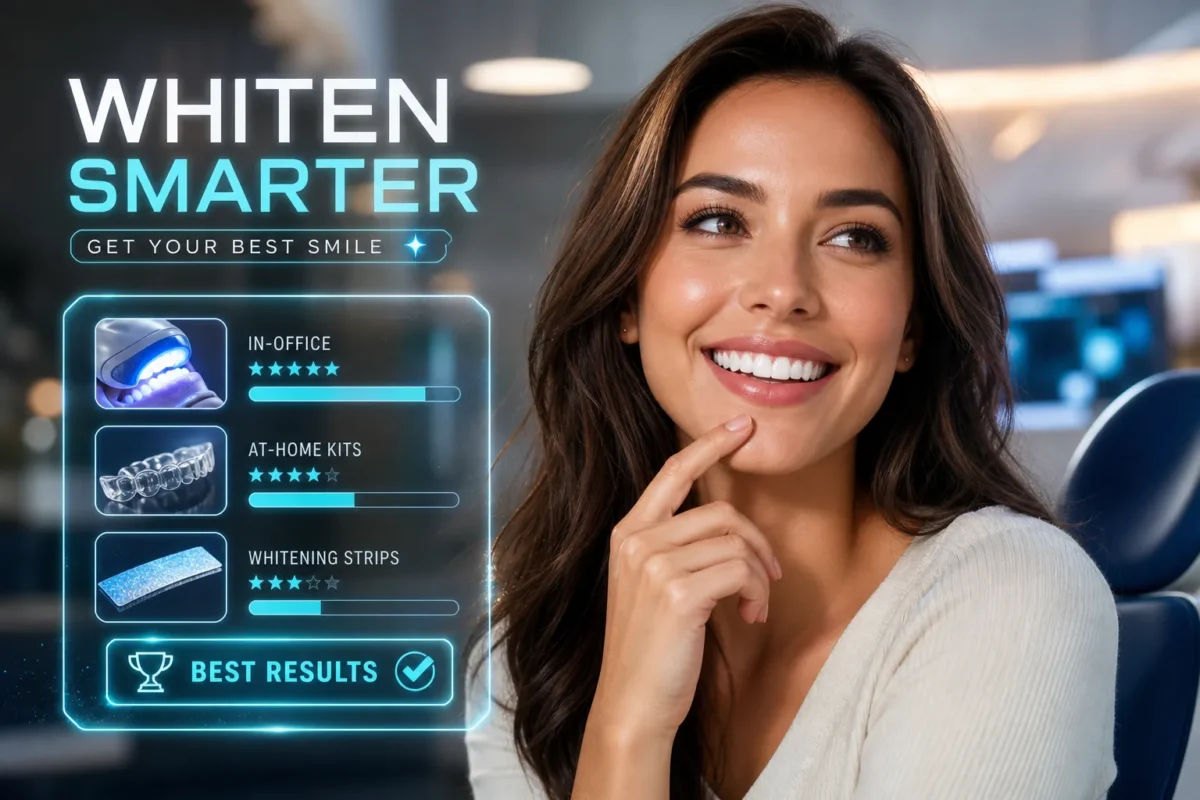
So what is the most effective teeth whitening treatment available? For speed and maximum shade change, in-office laser whitening leads the field. For long-term value and lower sensitivity, custom professional trays are the best choice for most people. OTC strips work for mild surface maintenance. Natural remedies clean but don’t bleach, and activated charcoal causes more harm than good with regular use. The single most important question before choosing any method is whether your staining is extrinsic or intrinsic, because that determines how far any treatment can realistically take you.
If you’re serious about whitening and want results that hold, start with a professional evaluation, not a product. Dr. Çağrı Altuntaş Dental Clinic offers free smile consultations for patients considering professional whitening, including international patients exploring Istanbul for cosmetic dental care. You’ll know exactly what’s achievable before committing to any treatment, see more about our professional Teeth Whitening, Dt. Çağrı ALTUNTAŞ 2026 services and how we work with international patients How U.S. Patients Can Find a Trustworthy Dentist in Turkey, Dt. Çağrı ALTUNTAŞ.