Anyone who visits a dentist in the U.S. and is told they’ll have to pay up to $1,800 per tooth for an all-ceramic crown will eventually start looking for other options. Turkey comes to mind. Istanbul sounds tempting. And then the questions arise: Is it really safe? What happens if something goes wrong? How do I find a clinic I can trust? This guide explains what U.S. citizens need to know before getting dental treatment in Turkey—without sales pitches or fearmongering.
Dental tourism in Turkey is a rational decision for many patients. Whether it’s the right choice for you depends on how well prepared you are.
What Dental Treatment in Turkey Actually Costs Compared to the U.S.
The numbers speak for themselves. Porcelain veneers cost between $200 and $400 per tooth in Turkey; in the U.S., the price ranges from $1,000 to $2,500. The difference per tooth is therefore up to $2,300, and anyone planning to get ten veneers can quickly do the math. The picture is similar for crowns: Turkish clinics charge 100 to 500 euros per tooth, while American dental practices typically charge 750 to 1,800 dollars.
The difference is even greater when it comes to implants. In Turkey, the cost is often between 400 and 600 euros per implant, while in the U.S. it typically runs up to 6,000 dollars. For patients who need multiple implants or a full-mouth restoration, this can mean significant savings in some cases—sometimes in the five-figure range for extensive treatments, depending on the scope of treatment and the current exchange rate. For larger procedures such as All-on-4 or comprehensive smile makeovers, the absolute price difference is correspondingly high because they involve a combination of multiple individual services. Additional information about dental implants in Turkey can be helpful during the planning process.
But if you only compare the cost of treatment, you’re missing the bigger picture. On top of that, there are flight and lodging costs; depending on the time of year and how you book, flights from U.S. cities to Istanbul and a week’s lodging can quickly add up to several hundred to over a thousand dollars (exact amounts vary widely; it’s worth checking current price comparisons). Add to that time off from work and the risk of having to pay for follow-up treatment at home if something goes wrong. For those who need multiple veneers or an implant, the trip can be financially attractive, but the exact cost always depends on individual travel and additional expenses. Anyone who needs just a single crown should carefully calculate the total cost.
What U.S. Citizens Should Know Before Undergoing Dental Treatment in Turkey: Choosing a Clinic
Google reviews tell you something, but not everything. Polished websites with before-and-after photos aren’t a sign of quality—they’re just marketing. What really matters are independent patient testimonials on forums and review platforms (such as international patient forums or specialized health portals), consistent results over several years, and reviews on platforms where it’s harder to post fake reviews. For example, there are testimonials like those from Gökçe S. and Çağrı ALTUNTAŞ, which provide additional perspectives.
Reputable clinics aren’t afraid of specific questions. Before making a reservation, you should clarify at least the following:
- What material is used for crowns or veneers, and what brand?
- Which brand of implant is used—for example, Straumann, Nobel Biocare, or Osstem?
- What is the procedure if complications arise after returning home?
- Are there any written guarantees, and what exactly do they cover?
If a clinic avoids answering these questions, that’s a clear red flag. Other warning signs: aggressive price dumping without transparent information on materials, no verifiable doctors listed on the website, and no documented post-operative care protocol. These patterns recur in reports of negative “Turkey teeth” experiences. They affect a minority of clinics, but this minority does exist. The media and expert commentary have also repeatedly pointed out the potential pain and risks associated with cosmetic procedures; anyone seeking comprehensive information can also read journalistic analyses of the risks of cosmetic dentistry.
Certifications and Qualifications: What They Mean and How to Verify Them
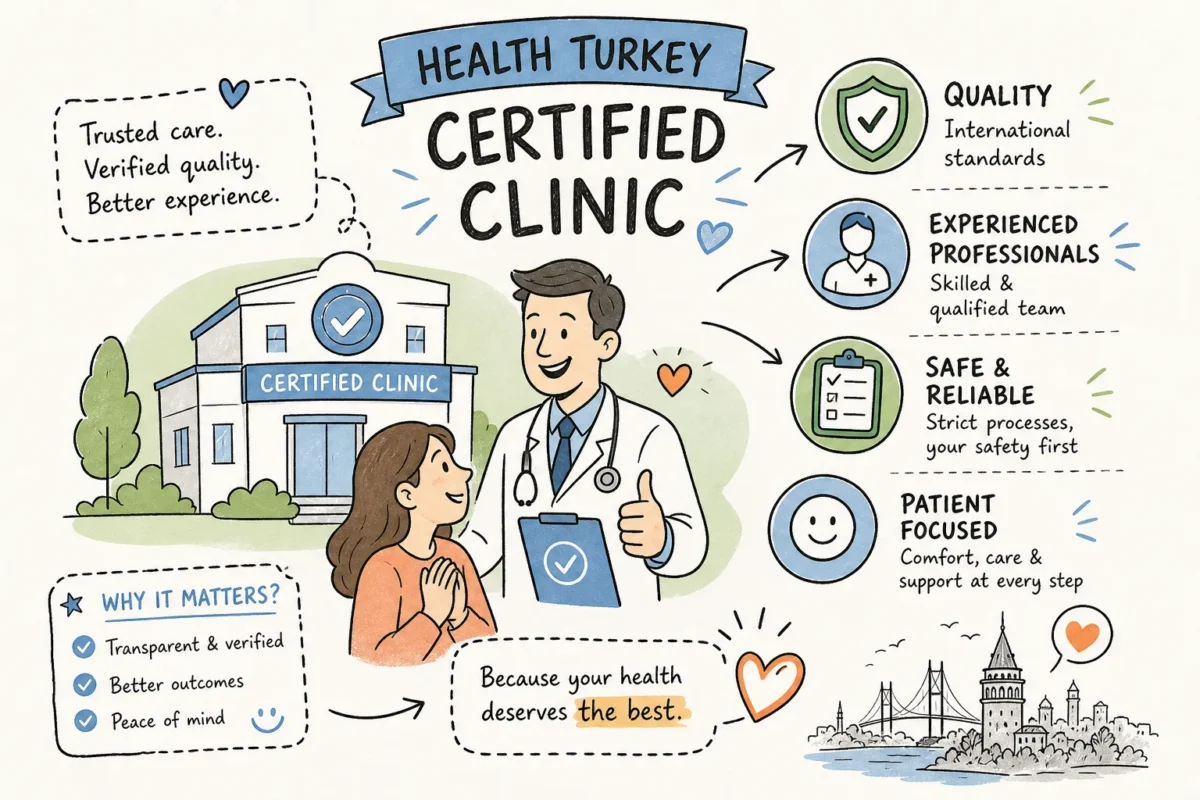
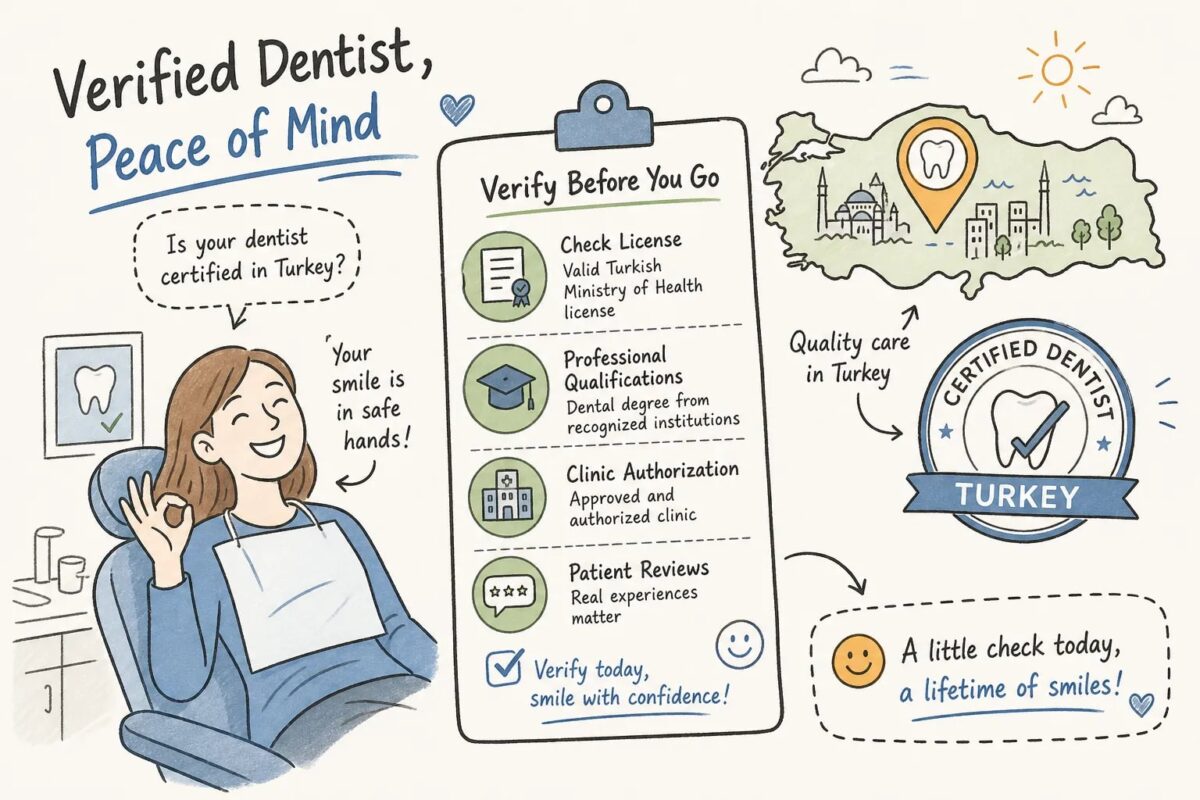
Health Turkey is a government-sponsored accreditation program run by the Turkish Ministry of Health. Certified clinics are evaluated based on their staffing structure, equipment, physical infrastructure, and compliance with standards for international patient care. Verification is simple: The official Health Türkiye platform features a directory of all certified providers. Any provider not listed there is not certified.
The clinic’s certification is one thing. The qualifications of the treating dentist are another. A general dentist with basic training is on a different level than a specialist with a postgraduate master’s degree in oral surgery, advanced training in implantology, and memberships in professional associations. The Dt. Çağrı Altuntaş Dental Clinic in Istanbul’s Nişantaşı district offers an example of how this standard can be applied in practice: Dr. Çağrı Altuntaş holds a master’s degree in oral surgery and implantology from Saint Camillus University in Italy; the clinic operates under Health Turkey certification and offers international patients a free smile analysis before their trip. Such proof of qualifications can be requested and verified directly with the clinic. Further details on specific treatments can be found, for example, on the page “Treatment with Dental Implants, Dr. Çağrı ALTUNTAŞ 2026.”
Please ask each clinic for original diplomas, certificate numbers, and registrations with professional associations. Verify that the issuing institution actually exists and that the name, specialty, and date of issuance match the individual. Anyone who doesn’t respond to this request is, in doing so, giving you an important answer.
What to Expect on Site: Schedule, Technology, and Timing
Veneers typically take five to seven days in Istanbul. The first appointment includes a consultation, impressions, and tooth preparation; the second appointment involves the final placement. After the final bonding session, most patients fly home 24 to 48 hours later. For a single immediate implant, the treatment can be scheduled in a similarly compact manner. Multi-stage implant treatments, such as those involving bone grafting or a sinus lift, may require several months of healing time between procedures; this often necessitates two separate trips.
Modern dental clinics use intraoral scanners, digital smile planning, and 3D modeling. In practical terms, this means you can see the planned result before the first procedure takes place. This technology minimizes surprises and lays the groundwork for natural-looking results. Clinics that do not use this infrastructure rely on more traditional methods, and this is often reflected in the quality of their planning.
Language barriers are an underestimated risk in dental tourism. Before you travel, make sure that all agreements are documented in writing: treatment plan, list of materials, session schedule, and warranty terms. Anything discussed verbally will not hold up in the event of a dispute. Always ask for written confirmation of the complete treatment plan in a language you understand.
Risks for U.S. Patients Seeking Dental Tourism in Turkey: Complications and Rights
Problems repeatedly cited in reports following dental treatment abroad include: poorly fitting crowns or veneers that become loose or fall out; chronic sensitivity or pain resulting from overly aggressive tooth preparation; gum inflammation and infections caused by bacteria trapped under restorations; and, in the case of implants, misalignment or implant loss. This does not affect the majority of patients, but it affects enough to warrant serious consideration. The MSD Manual provides detailed medical information on possible complications following dental procedures.
What happens if something goes wrong? U.S. citizens have civil claims for compensatory and non-compensatory damages in cases of medical malpractice at private clinics in Turkey. It is also possible to file a complaint with the Turkish Ministry of Health, as well as to file a criminal complaint in cases of proven negligence. Claims must typically be filed within two years of the damage being discovered; the exact deadlines are governed by Turkish law. If in doubt, you should consult a lawyer licensed to practice in Turkey who can represent you even from a distance. A realistic assessment: Compensation is possible but not guaranteed, and the amount depends heavily on the evidence available.
Check your travel health insurance before you leave. Not every policy covers elective procedures abroad. The relevant coverage components are: coverage for complications arising from dental procedures, emergency repatriation, and reimbursement of follow-up treatment costs in your home country. Anyone who travels without adequate insurance bears the full financial risk themselves.
Pre-departure checklist: Things You Should Have Sorted Out
In the weeks leading up to your departure, you should have the following points confirmed in writing: the complete treatment plan with details of the materials to be used, the clinic’s warranty terms, the practice’s emergency contact information, and confirmation of all arrangements discussed. Note on warranties: Clinic promises are often subject to conditions; make sure to get the exact terms in writing before you book. Photos of your current teeth and recent X-rays are helpful for speeding up the treatment planning process and for documenting your initial condition later on.
Even if you return from Istanbul after receiving good treatment, you’ll still need follow-up care from your own dentist. Be sure to bring the following back from Turkey: your treatment report, details on the materials and implant brands used, X-rays, and the clinic’s warranty documents. A well-informed dentist can identify potential problems early and respond appropriately. If you don’t have these documents with you, it will make any subsequent follow-up care more difficult. Many patients share their experiences after returning home; for example, testimonials such as those from Gera B. and Çağrı ALTUNTAŞ highlight typical follow-up questions and experiences.
What U.S. citizens need to know before undergoing dental treatment in Turkey can be boiled down to one key point: The difference between a positive experience and a problematic one almost always lies in the preparation. Choosing the right clinic, clear communication, and realistic cost and time estimates—those who take care of these points are well-positioned to achieve a result that would be virtually unaffordable back home. If you’re still unsure whether this is the right move, you can inquire about dental implant treatment at the Dt. Çağrı Altuntaş Dental Clinic, Dt. Çağrı ALTUNTAŞ 2026, or request a free smile analysis to get a solid initial overview before booking any flights at all.