Is dental tourism in Turkey safe for U.S. citizens? It’s a fair question, and the short answer is: it can be, but the outcome depends almost entirely on which clinic you choose, not which country you fly to. Turkey has emerged as one of the most popular dental tourism destinations among Americans, and the reason is hard to ignore. A single dental implant that runs $3,000 to $5,000 in the U.S. costs $400 to $1,500 in Istanbul. Porcelain veneers priced at $1,000 to $2,500 per tooth in the U.S. drop to $200 to $500 per tooth in Turkey. For anyone facing a full smile makeover or multiple missing teeth, those numbers represent tens of thousands of dollars.
The concern most Americans bring to this conversation is legitimate. Safety in dental tourism is almost never a geography problem, it is a clinic selection problem. Reported cases of poor outcomes often involve patients who chose based on price alone, had no follow-up plan, and skipped basic credential checks before booking. The patients who come home with excellent outcomes consistently did the opposite.
This guide covers what the actual data shows, how to verify a Turkish clinic before you book, what your legal rights are as a foreign patient, and what aftercare planning looks like in reality rather than in a marketing brochure.
Is Dental Tourism in Turkey Safe? What the Data Actually Shows
Anyone who tells you Turkey has a definitively higher or lower complication rate than the U.S. is overstating the evidence. No clean, independent head-to-head study compares complication rates across the two countries at a national level. One figure that circulates in dental tourism marketing cites a 93.8 to 94.8 percent 10-year implant survival rate for All-on-4 cases in Turkey, but that number comes from a promotional source, not a national clinical registry.
What peer-reviewed research does show is more reassuring than the skeptics suggest. A systematic review of dental implant survival in Turkey of 4,487 implants found a 97.48 percent survival rate at a mean follow-up of about 42 months. A large U.S. clinical database study of over 158,000 implants reported a 97.79 percent survival rate. Those figures are functionally comparable. The more meaningful differences come down to study size, follow-up duration, patient selection, and post-operative access, not country of origin.
Reported dental tourism failures follow a consistent pattern: patients who chose based on price alone, skipped credential verification, and returned home without a local dental contact. Geography did not cause those problems. Shortcuts did. That reframes the core question from “is Turkey safe for dental tourists?” to “does this specific clinic meet the standards that produce safe outcomes?” That is the question worth spending your time on.
Health Turkey Certification and What It Actually Means
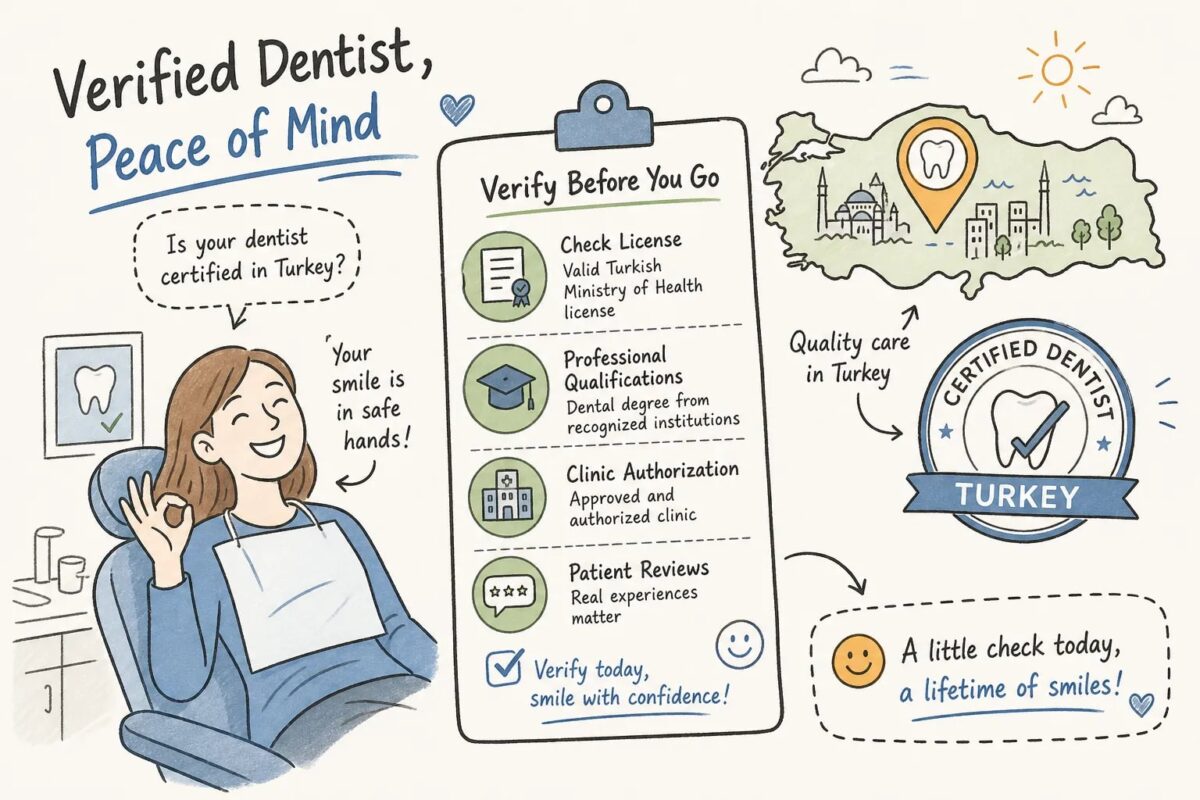
Turkey’s Ministry of Health requires clinics that treat international patients to hold a Health Tourism Authorization Certificate. This is a regulatory requirement, not a marketing label. To earn it, a clinic must score a minimum of 85 on the Ministry’s Health Quality Assessment and meet the facility competency criteria set out in the International Health Tourism regulation. That means verified infection control protocols, licensed personnel, proper documentation systems, and emergency preparedness.
Clinics without this certificate are operating outside Turkey’s approved health tourism framework. Asking to see it upfront is the fastest single filter you can apply.
Beyond the national authorization, request these four items directly from any clinic you are considering:
- Ministry of Health facility registration, verifiable through the Ministry’s public directory
- JCI accreditation confirmed directly on JCI’s official listing, not just a clinic logo
- ISO 9001:2015 certification with a verifiable certificate number
- The treating dentist’s registration with the Turkish Dental Association
For implants and full-arch cases specifically, the treating dentist’s postgraduate training matters as much as facility credentials. Verify specialty credentials directly, not from a website biography. Dt. Çağrı Altuntaş Dental Clinic, located in Istanbul’s Nişantaşı district, is one example of a Health Turkey certified practice where the treating dentist holds a Master’s degree in Oral Surgery and Implantology from Saint Camillus University in Italy and brings over 15 years of clinical experience. It illustrates the combination of verified credentials and facility standards that U.S. patients should be looking for.
What the Savings Actually Look Like After Real Costs
The cost comparison holds up well even after you account for flights and accommodation. A single implant in Turkey runs $400 to $1,500 versus $3,000 to $5,000 or more in the U.S. Porcelain veneers cost approximately $200 to $500 per tooth in Turkey versus $1,000 to $2,500 per tooth at home. Full-arch All-on-4 work lands at roughly $3,000 to $9,000 per arch in Turkey compared to $20,000 to $40,000 per arch in the U.S. For major multi-tooth procedures, commonly cited estimates suggest patients come out 50 to 70 percent ahead even after factoring in travel expenses, though the exact figure depends on your specific treatment plan, travel costs, and the clinic you choose. If you want a clearer idea of available procedures and pricing, review the clinic’s treatment services and ask for itemized quotes that reference material brands.
The number that most dental tourism content leaves out is the revision buffer. Do not treat a clinic quote as your final cost. For implant cases especially, osseointegration monitoring may require a follow-up visit, and a crown or veneer adjustment is not unusual. Budget for at least one return trip before you commit to any treatment plan. Patients who skip this step are the ones who end up making a financial decision about whether to get necessary follow-up care, which is exactly the wrong position to be in.
How to Vet a Dental Tourism Clinic in Turkey Before You Book
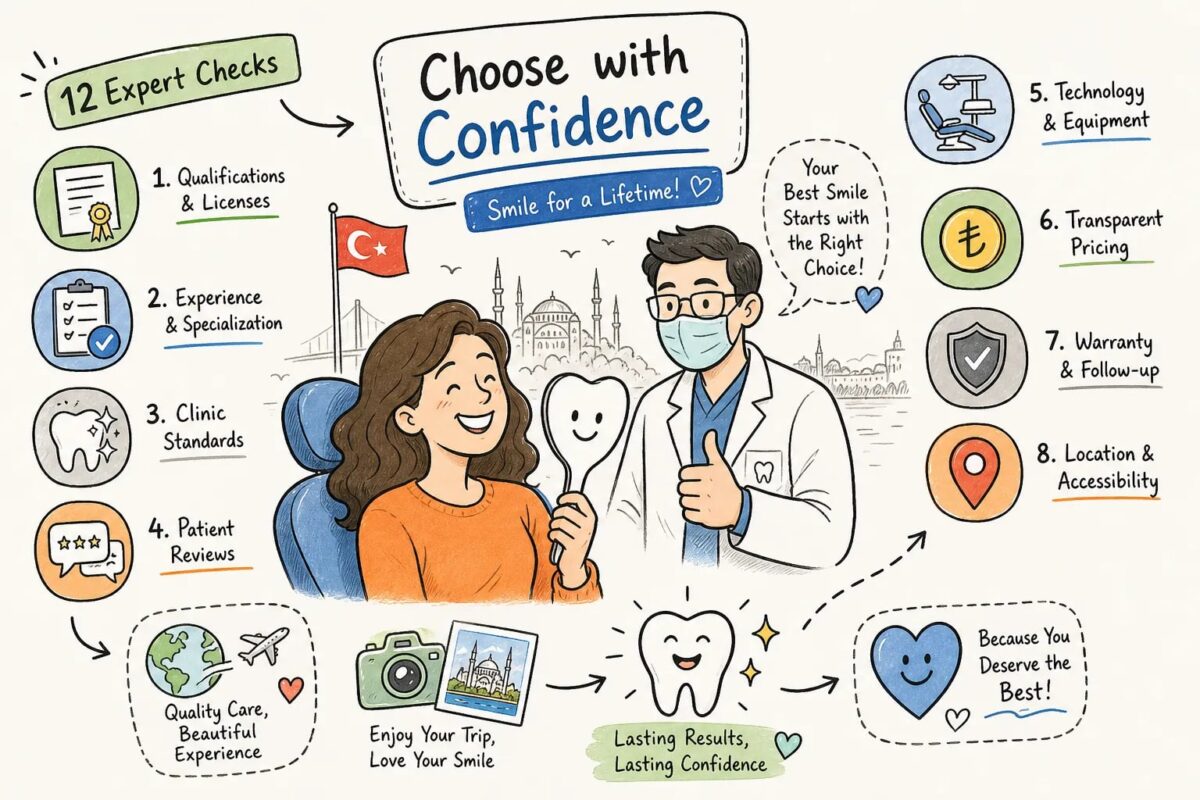
A reputable clinic will provide the following without hesitation: the facility license number, the Health Tourism Authorization Certificate, the treating dentist’s full credentials and professional registration details, a detailed itemized treatment plan with specific material brands, and certificate numbers for any accreditation it advertises. If a clinic responds to those requests by pointing you toward patient testimonials instead, keep looking.
Red Flags Worth Walking Away From
- Pressure to pay a deposit immediately to lock in a limited-time price
- No pre-treatment consultation or X-ray review before quoting
- Vague material descriptions such as “premium implant” with no brand or specification
- No written warranty or revision policy
- Difficulty getting clinical questions answered in English before you travel
Questions to Ask Before You Sign Anything
Ask these directly: What brand and grade of implant or veneer material will you use? What is your revision policy if the fit or result is unsatisfactory? Do you have a network of follow-up dentists in the U.S. for ongoing monitoring? Can I speak with the treating dentist before I travel? These questions separate a patient-centered practice from a high-volume operation where throughput comes before outcomes.
Your Rights as a Foreign Patient and What Happens If Something Goes Wrong
Foreign patients in Turkey have real legal protections. You are entitled to informed consent before any procedure, a written treatment plan with itemized costs, access to your clinical records and X-rays, and the right to withdraw consent at any stage. Complaints can be filed with the Ministry of Health Patient Rights Unit or the Provincial Chamber of Dentists. These mechanisms exist and are used.
Turkish malpractice law applies to foreign patients, and civil proceedings are possible. The practical challenge is cross-border enforcement after you return home. Malpractice claims in Turkey are generally subject to a two-year period from discovery and an outer limit of ten years from treatment, but pursuing a case from the U.S. requires Turkish legal representation, documentation in Turkish, and long-distance coordination. The patients who navigate that process best are those who kept thorough records from the start: consent forms, treatment plans, X-rays, pre- and post-treatment photographs, invoices, and written communications.
Get the treatment plan in writing before you pay a deposit, with materials specified by brand and revision terms clearly stated. That single document is worth more than any review you read online, and it is the foundation of any complaint or legal action if you need one later.
Aftercare Timelines and Setting Up Follow-Up Before You Fly Home
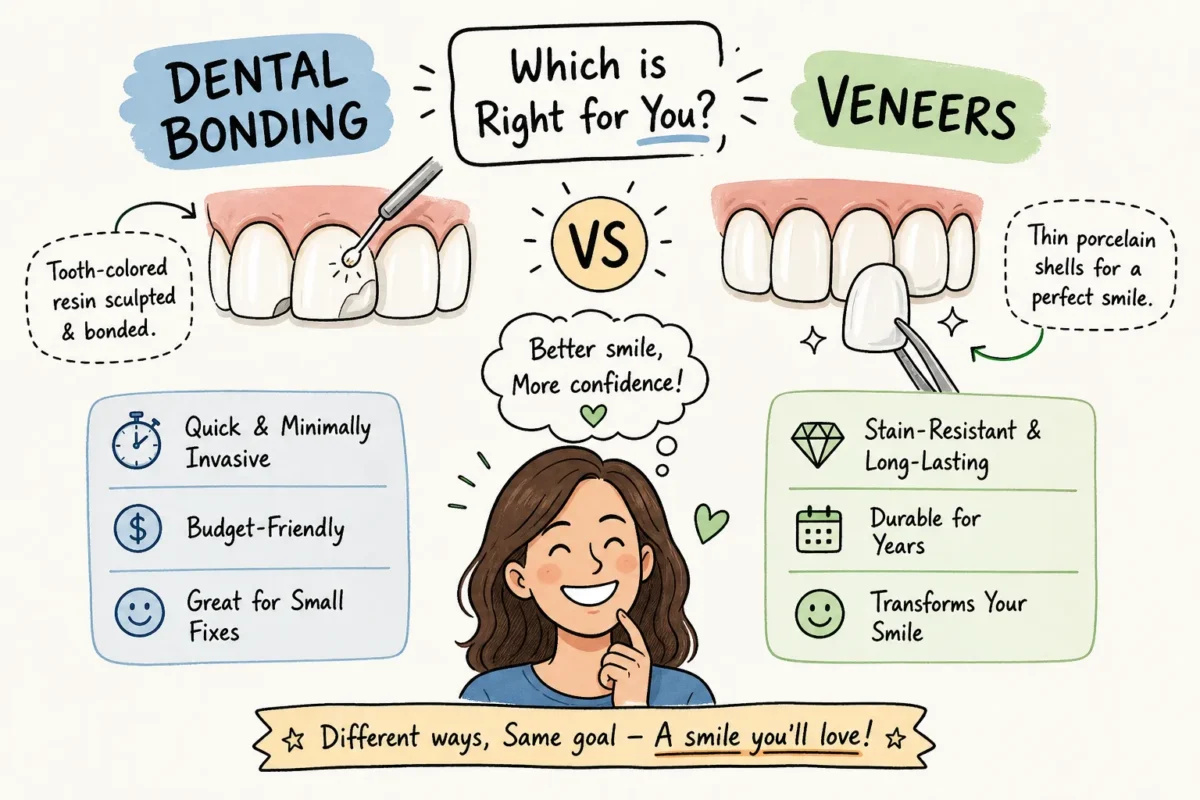
Veneers typically require two visits over about a week, which makes the trip logistics relatively straightforward. Dental implants are a different category entirely. From placement to final crown, the process takes three to nine months, osseointegration alone requires three to six months, and cases involving bone grafts can extend to nine to twelve months. Most implant patients make at least two trips to Turkey or arrange for a qualified local dentist to handle monitoring and final restoration at home. For a practical overview of the typical dental implant timeline and step-by-step process, review a detailed timeline before you commit to travel plans.
A U.S. dentist can manage most of the post-placement follow-up: early wound checks, X-rays to monitor osseointegration, abutment placement, crown delivery, and long-term maintenance all fall within the scope of a general dentist or prosthodontist working from the Turkish clinic’s records. What stays with the original surgeon is placement itself and the management of any serious complications. That handoff works smoothly when records are complete and both sides are briefed before treatment begins. For practical recovery milestones referenced from U.S. practice, see a typical dental implant recovery timeline.
Before you leave Istanbul, confirm that your Turkish clinic will send complete treatment notes, X-rays, and material specifications in a format your U.S. dentist can use. Ask whether they have recommended providers in your region. Ask your U.S. dentist in advance whether they are willing to monitor an implant placed abroad. Getting both sides aligned before treatment starts closes the gap that turns manageable issues into expensive ones.
The Bottom Line Before You Book
Dental tourism in Turkey can be safe for U.S. citizens. The peer-reviewed implant survival data from Turkey sits within a fraction of a percent of U.S. outcomes. The regulatory framework is real and enforceable. The cost savings on major procedures are substantial even after travel expenses. None of that changes the core rule: your outcome depends on the clinic you choose, not the country you fly to.
Before you commit to anything, run through the checklist: verify the Health Tourism Authorization Certificate and Ministry registration, confirm the treating dentist’s specialty credentials directly, get the full treatment plan in writing with material brands specified, build a revision contingency into your budget, and arrange follow-up care with a local dentist before you travel. Those five steps eliminate the most common sources of dental tourism regret.
If you want a concrete starting point, How U.S. Patients Can Find a Trustworthy Dentist in Turkey offers a free smile analysis and international patient consultations with full documentation, English-language support, and Health Turkey certification from the first conversation. For U.S. patients who want to experience dental tourism in Turkey safely, it is a straightforward place to begin your due diligence. For quick answers to common questions, see the clinic’s Frequently Asked Questions (S.S.S.).