
Your smile is the most powerful means of communication you have with the world. However, structural imperfections in your teeth, stubborn stains, or misaligned teeth can undermine that self-confidence. Porcelain Laminates (Veneers), one of the most prestigious solutions offered by modern cosmetic dentistry, help you achieve the smile of your dreams with virtually no damage to the natural structure of your teeth. Dr. Çağrı Altuntaş, who sees patients at his clinic in Nişantaşı, Istanbul, meticulously plans each porcelain veneer application with the precision of a “work of art,” giving his patients a natural and radiant appearance.
What Are Porcelain Veneers?
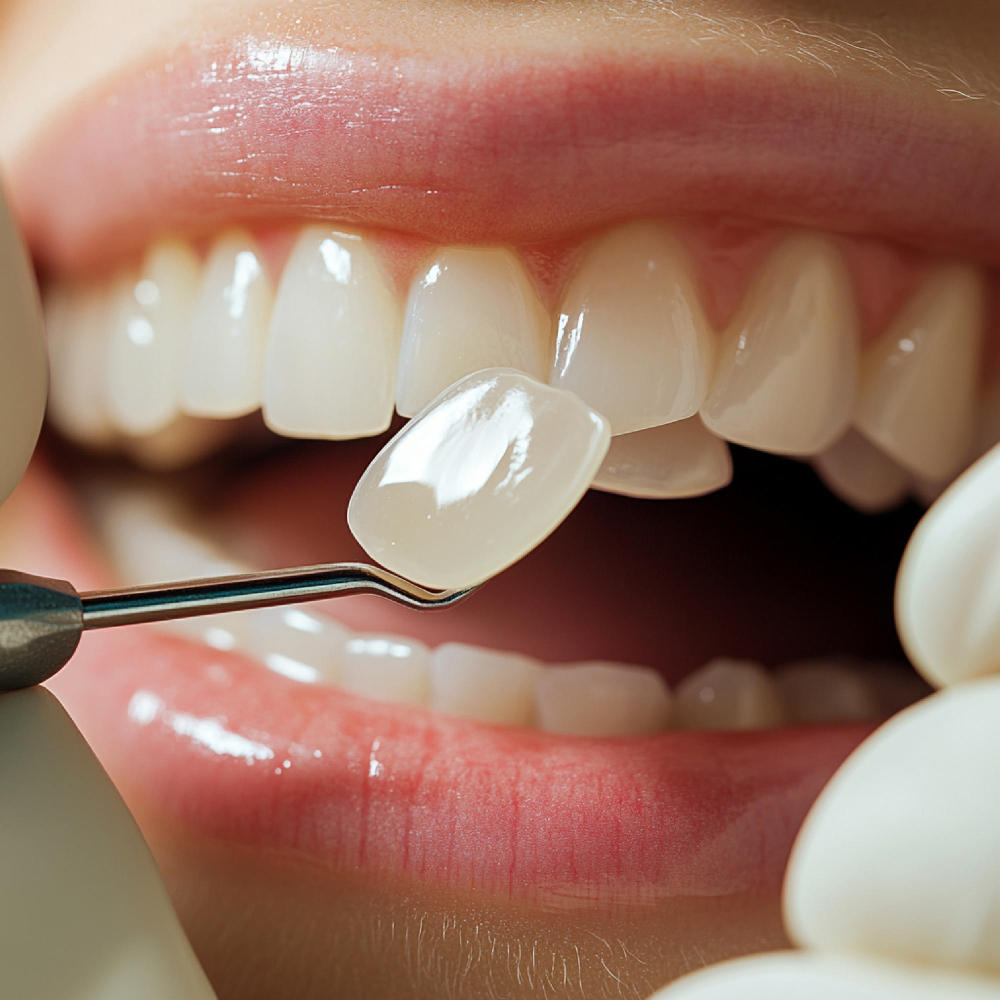
Porcelain veneers are also commonly known as “porcelain laminates.” This name comes from the restoration’s incredible thinness, ranging from approximately 0.3 mm to 0.7 mm. These porcelain shells, which are as thin as a lens, are bonded to only the front surface of the teeth using specialized adhesive techniques (bonding).
The greatest advantage of porcelain laminates is that their light transmission is very close to that of natural tooth enamel. As a result, when viewed from the outside, it is not apparent that there is a restoration on the teeth; only teeth that look very healthy and aesthetically pleasing are noticeable.
Why Choose Porcelain Veneers?
Although there are many options in restorative dentistry, there are several key reasons why porcelain veneers stand out:
- Minimal Tooth Preparation (Minimally Invasive): Unlike traditional crowns, laminates do not require the entire tooth to be ground down. In most cases, only a very slight amount of enamel is removed from the front surface; in some “no-prep” cases, the procedure can even be performed without any tooth preparation at all.
- Stain-Resistant Feature: External factors such as coffee, tea, or cigarettes cannot stain the porcelain surface. Your teeth will retain their original whiteness even years later.
- Biocompatibility: Porcelain is one of the materials that is most compatible with gum tissue. It does not cause discoloration or irritation of the gums.
- Quick Results: Typically, the entire smile line can be completely renewed in just 2 or 3 sessions, over a total period of 7 to 10 days.
In Which Cases Are Porcelain Veneers Used?
At our Nişantaşı clinic, we perform a detailed digital smile analysis before deciding on porcelain veneer treatment. This treatment is the gold standard for the following issues:
Tooth Discoloration: Cases where whitening treatments are ineffective, such as antibiotic stains or excessive fluoride intake.
Diastema (Gaps Between Teeth): Closing unsightly gaps between the front teeth.
Cracked and Worn Teeth: Repair of teeth that have lost their shape over time or have been broken due to trauma.
Minor Misalignments: Aesthetic correction of mild misalignments for patients who do not wish to undergo orthodontic treatment (braces).
Short Teeth: Lengthening the teeth to make them more visible when smiling.
How Does the Treatment Process Work?
The journey to porcelain veneers with Dr. Çağrı Altuntaş consists of four main stages:
1. Consultation and Digital Planning
The patient’s expectations are discussed, and photographs and measurements are taken. Using Digital Smile Design technology, a computer simulation of the final result is shown before treatment begins.
2. Preparations and Temporary Restorations
Minimal enamel reduction is performed on the front surfaces of the teeth (if necessary). “Temporary veneers” are immediately placed to prevent your teeth from becoming sensitive at this stage. This way, you won’t leave the clinic without teeth.
3. Laboratory Phase
The precise measurements taken are sent to the laboratory. In collaboration with our boutique laboratory partners in Nişantaşı, each dental veneer is custom-made using a combination of handcrafted techniques and advanced technology.
4. Fitting and Gluing
The fabricated veneers are placed on the teeth. Once the color and shape have been approved in consultation with the patient, they are bonded to the teeth using special light-cured adhesives.
Porcelain Veneer Prices 2026
Porcelain veneer prices vary depending on the brand of porcelain used (E-Max, Vita, etc.), the complexity of the case, and the number of teeth to be treated. Under the 2026 pricing standards, the expertise of the specialist dentist in Nişantaşı and the digital design technologies used are key factors determining the cost. Special packages may be offered for patients coming from abroad as part of medical tourism. The most accurate price information is determined following a clinical examination and radiological tests.
Frequently Asked Questions About Porcelain Veneers
Do porcelain veneers yellow over time?
No. Porcelain veneers, made from high-quality ceramics, have a smooth, non-porous surface. As a result, they are not affected by factors such as coffee, tea, and cigarettes, and retain their color for many years.
Will I feel any pain during the procedure?
The preparation phase is usually performed under local anesthesia, so you won’t feel any pain during the procedure. Thanks to the temporary teeth, sensitivity is kept to a minimum.
How long do porcelain veneers last?
With good oral hygiene and regular dental checkups, porcelain veneers can last 15 to 20 years or longer.
Do porcelain veneers fall off the teeth?
Thanks to modern bonding systems, the risk of veneers coming loose is quite low when they are applied correctly.
Zirconia crowns or porcelain veneers?
Unless there is significant tooth structure loss, porcelain veneers are often preferred due to their protective properties. Zirconia, on the other hand, is used in cases where greater durability is required.
Can porcelain veneers be applied to every tooth?
It may not be suitable for direct application in cases of severe crowding, advanced gum disease, or severe bruxism.
How many sessions does the treatment take?
The treatment is typically completed in about three sessions: planning, preparation, and bonding.
What should I keep in mind after getting dental veneers?
Avoiding biting into hard-shelled foods, not biting on hard objects, and maintaining a regular oral care routine will help extend the life of your veneers.
What is a no-prep veneer?
These are very thin porcelain veneers that are applied without removing any tooth structure. While they may not be suitable for every case, they are a highly conservative treatment option.
Is laminate treatment reversible?
If the tooth has been prepared, the restoration must be completed to protect the tooth. However, thanks to minimal preparation, the tooth structure is largely preserved.